Petroleum pipelines are critical to energy transportation, and their operational safety directly affects economic benefits and environmental protection. As core pipeline components, valves control medium flow and isolate pressure, where sealing performance is paramount. Conventional sealing materials and technologies suffer from poor durability and frequent leakage under complex oil exploitation and transportation conditions, causing resource waste, environmental pollution and safety accidents.
1. Common Sealing Materials and Technologies
Sealing materials are divided into soft seals and hard seals. Soft seals (rubber, PTFE, nitrile rubber) feature good elasticity and fit, suitable for low-pressure and normal-temperature scenarios, but have poor high-temperature and corrosion resistance and age easily in harsh conditions. Hard seals (stainless steel, cobalt-based alloy, ceramic) excel in high-temperature resistance and wear resistance, applicable to high-pressure, high-temperature and corrosive working environments, yet require high machining and assembly accuracy with higher costs.
Mainstream sealing technologies include packing sealing for dynamic valve stem sealing, simple and easy-to-install O-ring sealing for static parts, and high-strength metal-to-metal sealing for high-pressure valves. However, these traditional solutions are inadequate for extreme working conditions such as deep-sea and high-sulfur environments.
2. Classification of Sealing Failures
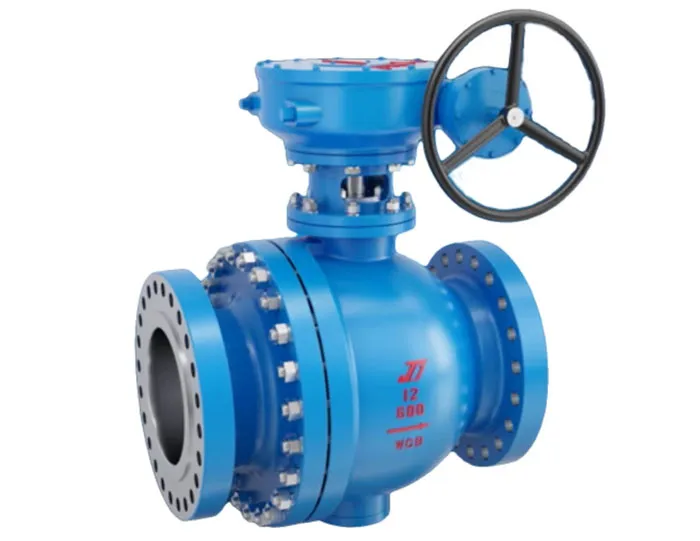
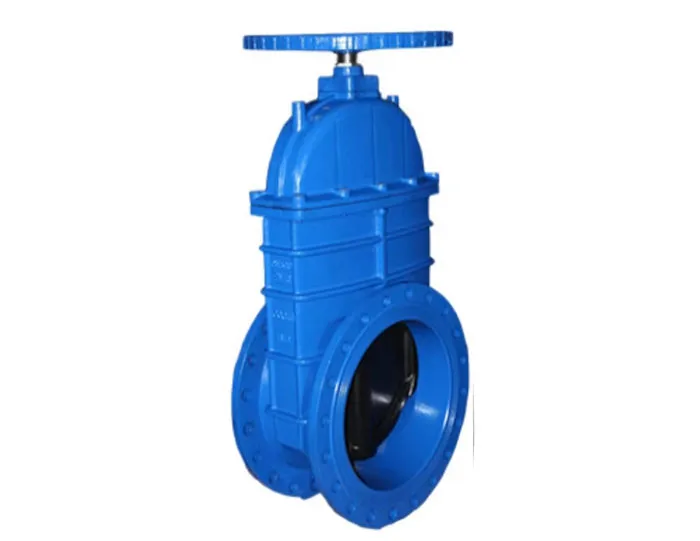
Valve sealing failures mainly include internal and external leakage, both leading to economic losses and safety and ecological risks. Internal leakage is mostly caused by wear, scratches and deformation of sealing surfaces of ball valves and gate valves. External leakage usually occurs at valve stem packing and flange joints due to aging packing and loose bolts.
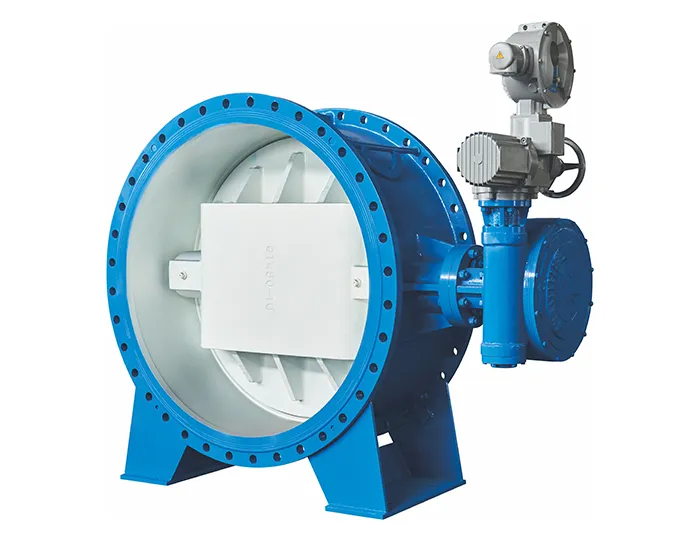
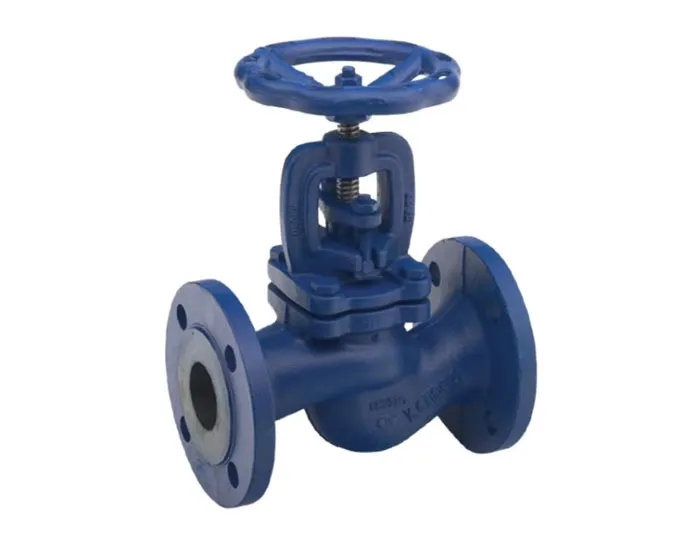
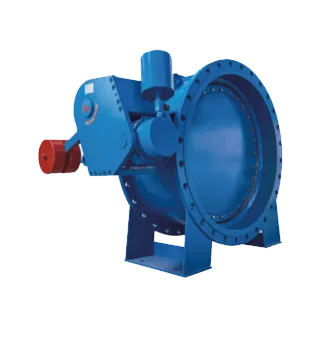
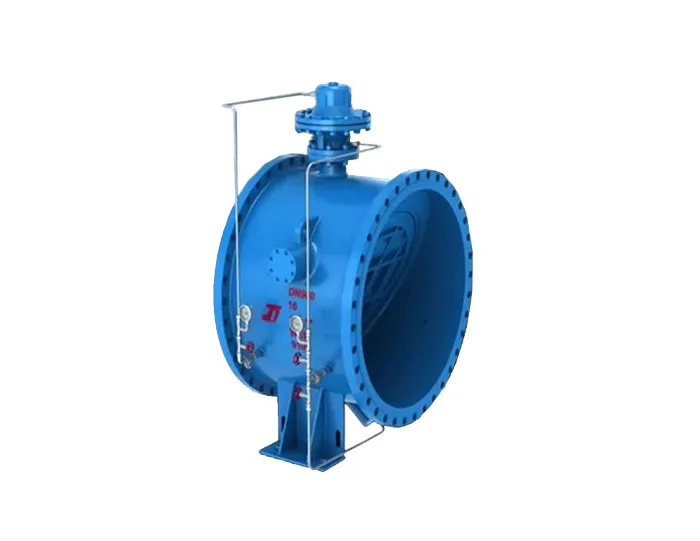
In terms of failure mechanism, instantaneous leakage results from installation impurities or manufacturing defects, while progressive failure derives from long-term medium corrosion and temperature-pressure cycling fatigue. Besides, frequent switching causes fatigue failure of globe valves, and high-flow media erosion accelerates butterfly valve failure.
3. Causes of Sealing Failures
3.1 Design Defects
Insufficient calculation of sealing surface contact stress, mismatched material selection, inadequate assessment of pressure and temperature fluctuations, and lack of redundant sealing structures will cause sealing failure under variable working conditions.
3.2 Manufacturing Errors
Unqualified sealing surface machining accuracy and flatness form leakage gaps. Casting defects, unqualified raw materials, improper heat treatment and incomplete surface treatment reduce sealing part durability. Inaccurate assembly also weakens sealing performance.
3.3 Improper Installation
Uneven bolt tightening force on pipeline flanges causes asymmetric stress and deformation of sealing surfaces, leading to external leakage, especially in high-pressure pipelines.
3.4 Operation and Maintenance Problems
Long-term corrosion by sulfide and carbon dioxide in oil and gas media ages and cracks sealing materials. Frequent temperature and pressure fluctuations, as well as scouring and friction of high-flow and particle-containing media, cause sealing surface wear and fatigue, inducing leakage.