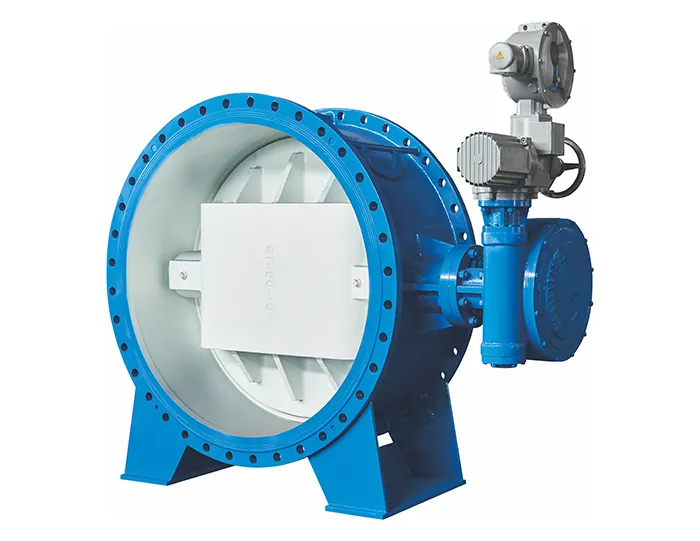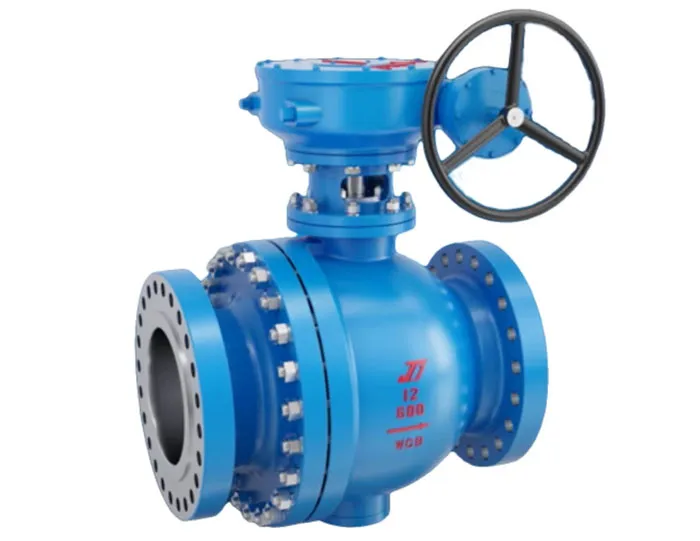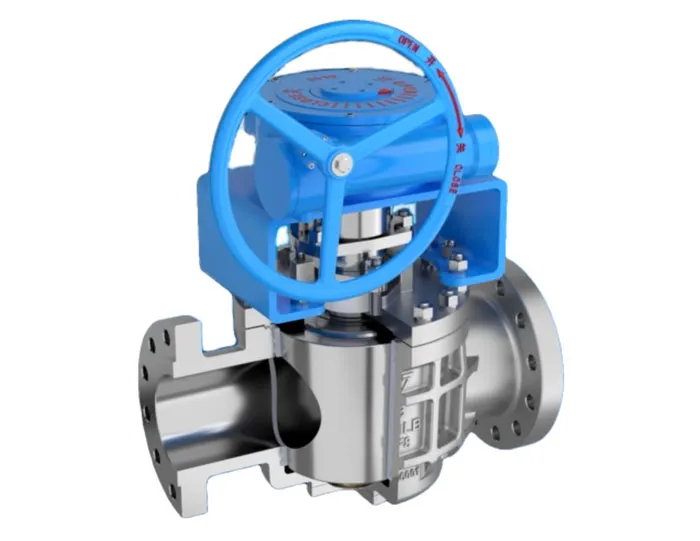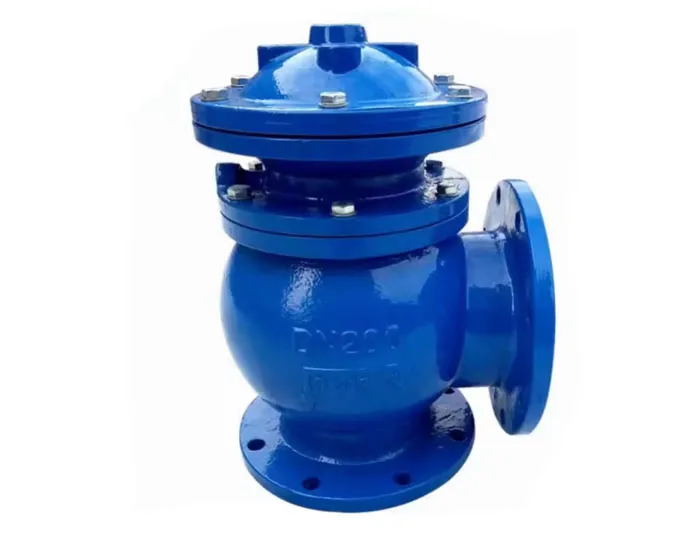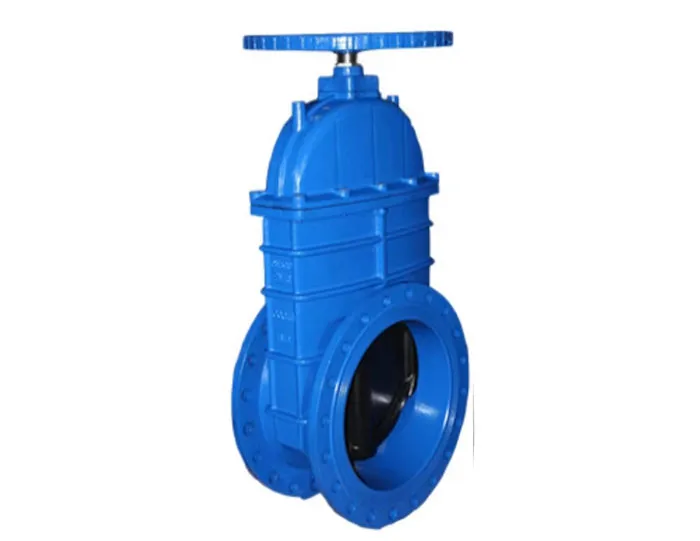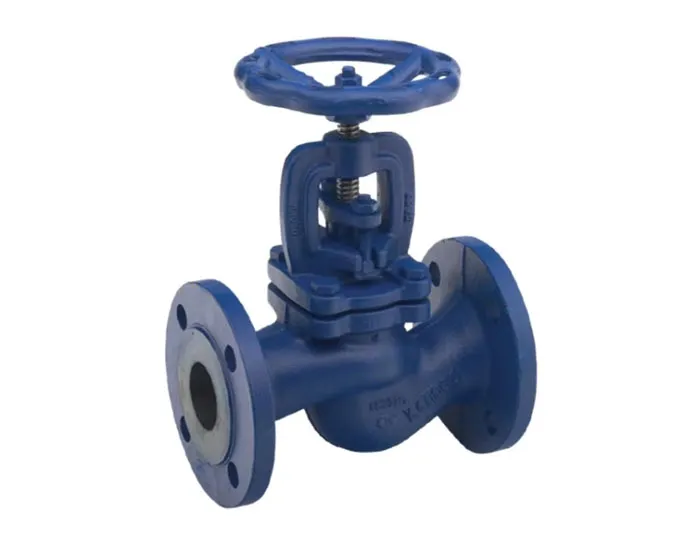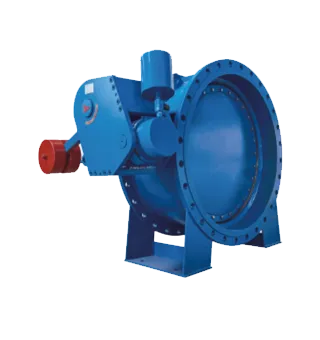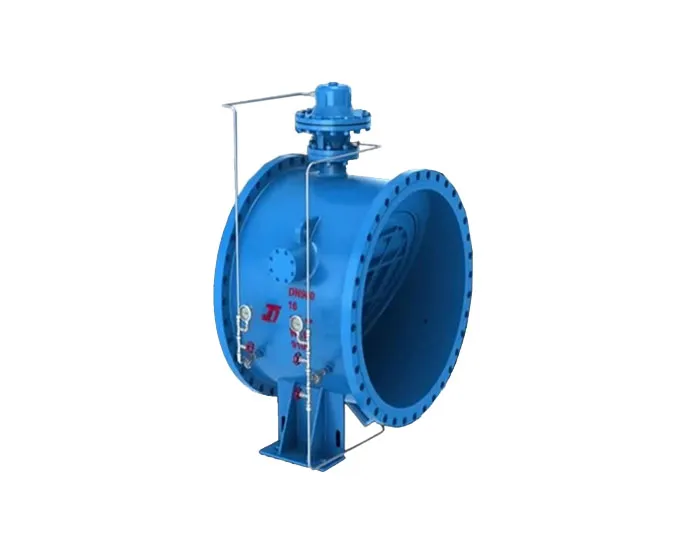
The control valve is a core control component in piping systems. Its primary function is to adjust key parameters of media (liquid, gas, steam, etc.) inside pipelines with high precision. It works by changing the flow area between the valve plug and valve seat. This meets process requirements and ensures stable system operation for industrial production, energy supply, water treatment and other applications. Its specific functions fall into six core categories:
1. Precise Media Flow Control
This is the most fundamental and essential function of a control valve. Receiving signals from controllers (such as current or voltage signals), the valve dynamically changes the opening of its plug for continuous adjustment from fully closed to fully open.
- Regulate flow rate: For chemical reactions, it accurately controls the feed flow of raw materials to maintain proper reaction ratios, preventing material waste or incomplete reactions.
- Stabilize fluctuating flow: If pipeline pressure, temperature or other factors cause flow deviations, the control valve adjusts its opening in real time to hold flow at the set value. For example, heating pipelines adjust hot water flow based on outdoor temperature to keep indoor temperatures steady.
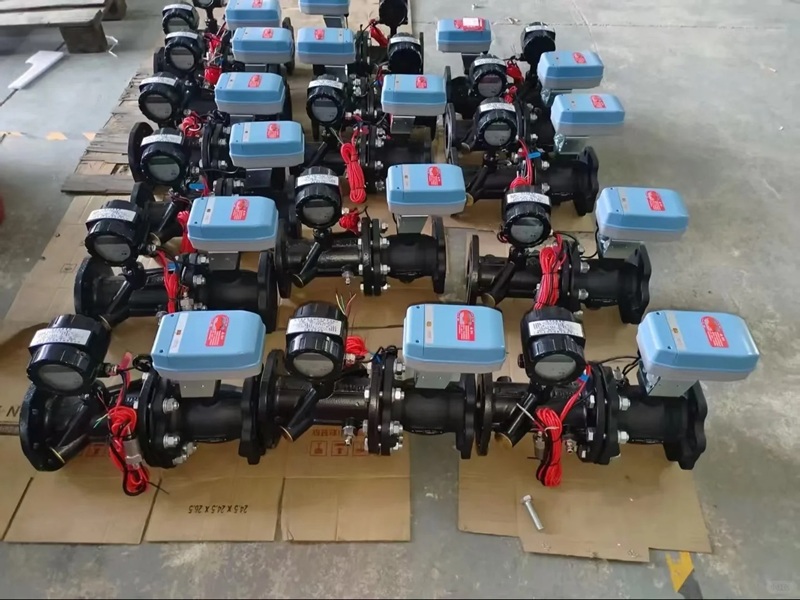
2. Piping System Pressure Regulation
Through throttling (reducing flow area to create pressure loss) or overflow action, control valves manage pipeline pressure for two main scenarios:
- Pressure reducing control: When upstream pressure is excessively high, such as in high-pressure steam pipelines, the valve lowers pressure to a safe level that downstream equipment and pipelines can withstand. For instance, it reduces 10 MPa steam down to 2 MPa for heat exchangers.
- Pressure stabilizing control: Maintain stable pressure at selected points in the pipeline. In water supply networks, control valves stabilize pipe pressure to avoid low water pressure for high-rise users or pipe bursts caused by excessive pressure on lower floors.
3. Media Temperature Control
Temperature adjustment is usually achieved indirectly by regulating flow. In industrial processes, temperature relies on heat exchange in equipment like heat exchangers and boilers. The control valve changes heat exchange efficiency by adjusting the flow of heating media (steam, hot water) or cooling media (chilled water), thus controlling the temperature of the target medium. Example: During food sterilization, the control valve regulates steam flow to keep processed material steadily at 121°C, guaranteeing sterilization without damaging product quality.
4. Liquid Level Maintenance for Vessels and Tanks
For systems with liquid storage or reaction equipment including tanks and reactors, control valves adjust inflow or outflow to keep liquid levels within safe, desired ranges.
- High level protection: When tank liquid approaches the upper limit, the valve reduces inflow or increases outflow to stop overflow. This applies to petrochemical tanks to prevent crude oil spills.
- Low level protection: When liquid nears the lower limit, the valve increases inflow to avoid dry running of pumps. Boiler water level control is a typical case, preventing boiler burnout and explosion from insufficient water.
5. Stabilize Process Parameters and Improve Product Quality
In industrial manufacturing, product quality indicators including purity, concentration and particle size heavily depend on stable flow, pressure and temperature. As the actuator of automatic control systems, the control valve links with sensors (flow meters, pressure transmitters, temperature gauges) and controllers (PLC, DCS) to build closed-loop control. Example: In pharmaceutical liquid preparation, control valves precisely adjust the feed ratio of solvent and solute, keeping liquid concentration error within ±0.5% to meet pharmaceutical manufacturing standards.
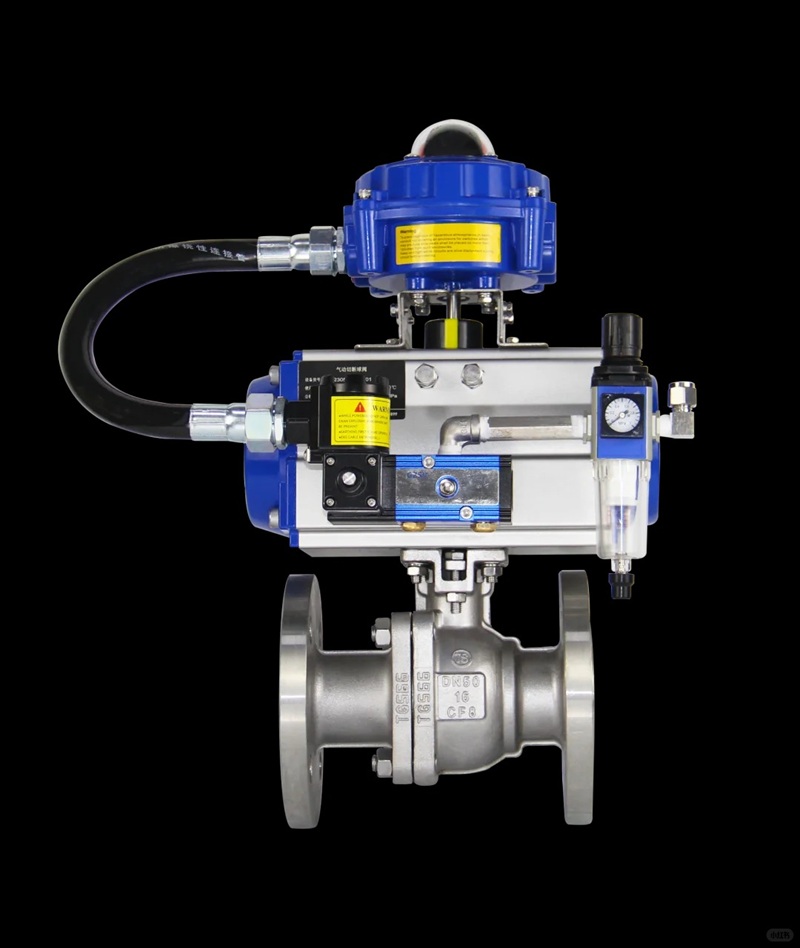
6. System Safety Protection and Emergency Shutoff
Some control valves equipped with quick-closing or fail-safe features (such as emergency shutoff valves, fail-close / fail-open control valves) offer protection during system faults.
- Emergency shutoff: In hazardous conditions including pipeline leakage, overpressure and overtemperature, the valve fully closes rapidly to cut off media flow. For example, gas pipeline emergency valves shut down quickly once leakage is detected to avoid explosions.
- Fail-safe action: When power or control signals are lost, the valve automatically moves to a pre-set safe position. Fail-close valves for toxic media pipelines shut automatically without power to stop leakage; fail-open valves for boiler water supply open automatically to prevent water shortage in boilers.