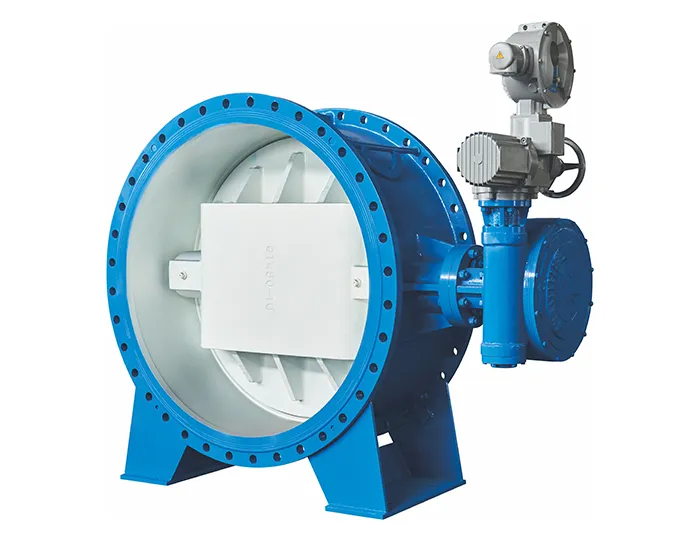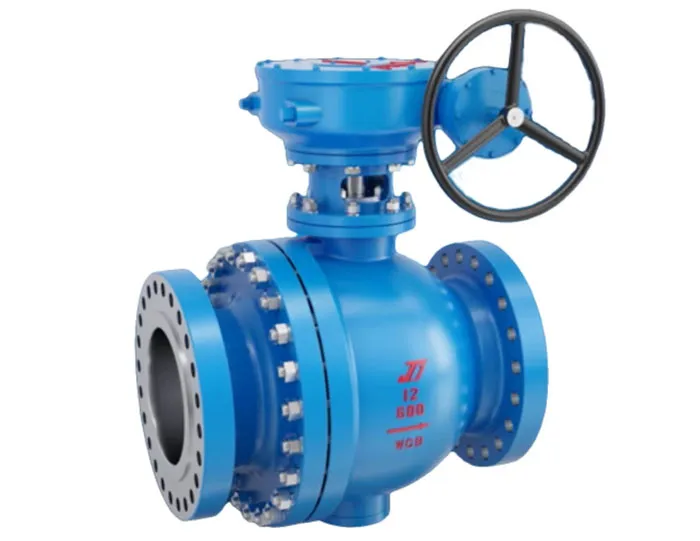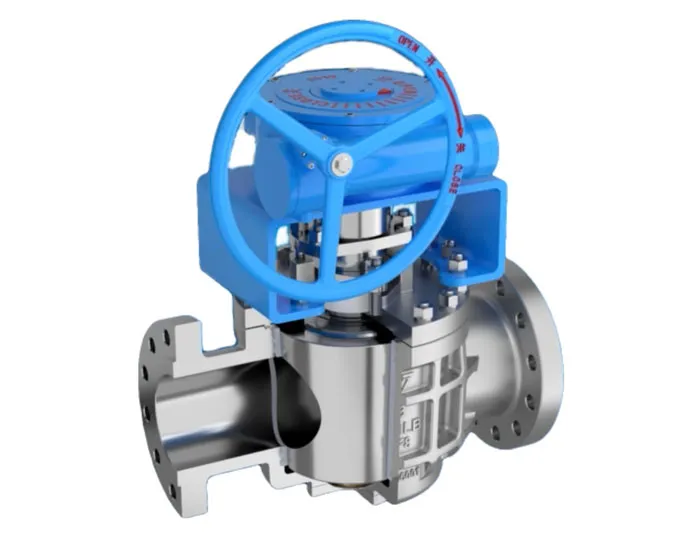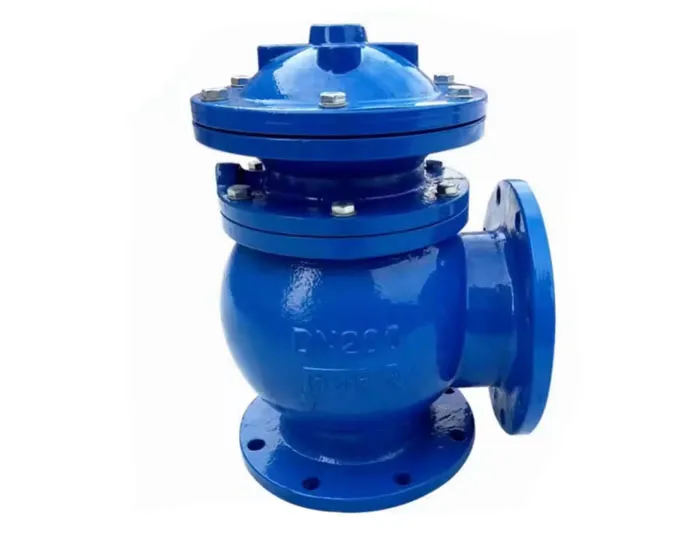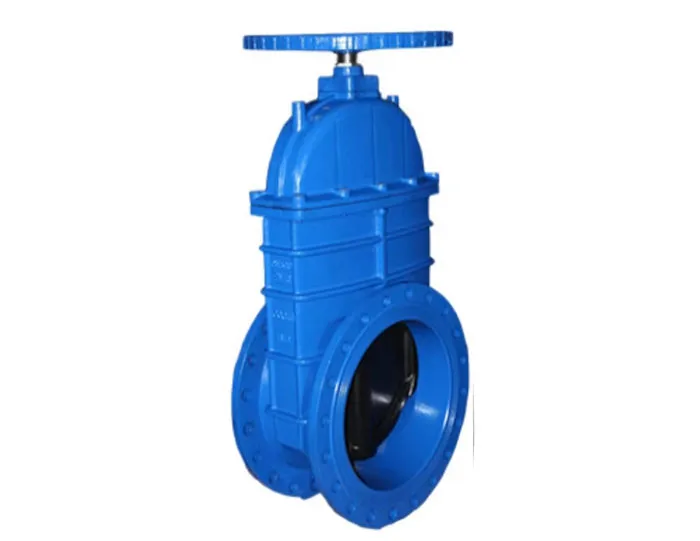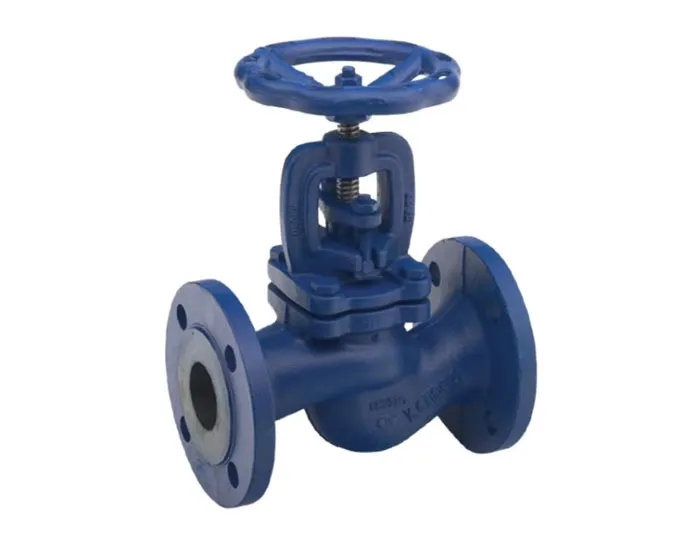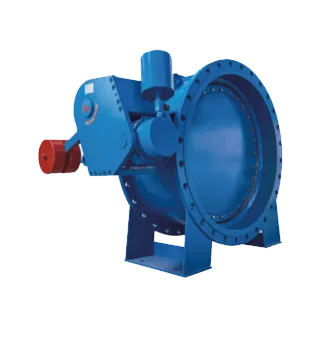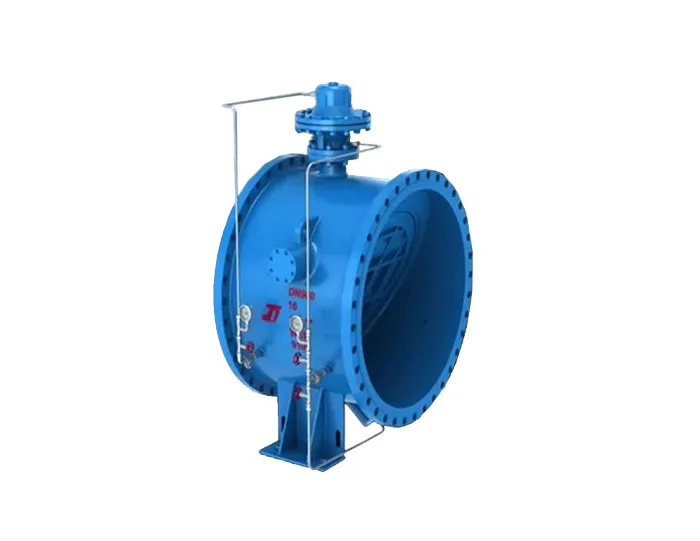
When users select butterfly valve equipment, the selection of sealing structures is extremely important, as this step directly affects the service life of the valves and the operational safety of the entire equipment system, resilient-seated butterfly valves and metal-seated butterfly valves each have their own strengths and weaknesses, and neither type is absolutely superior to the other, the core of equipment selection lies in matching valve performance with the actual on-site working conditions.
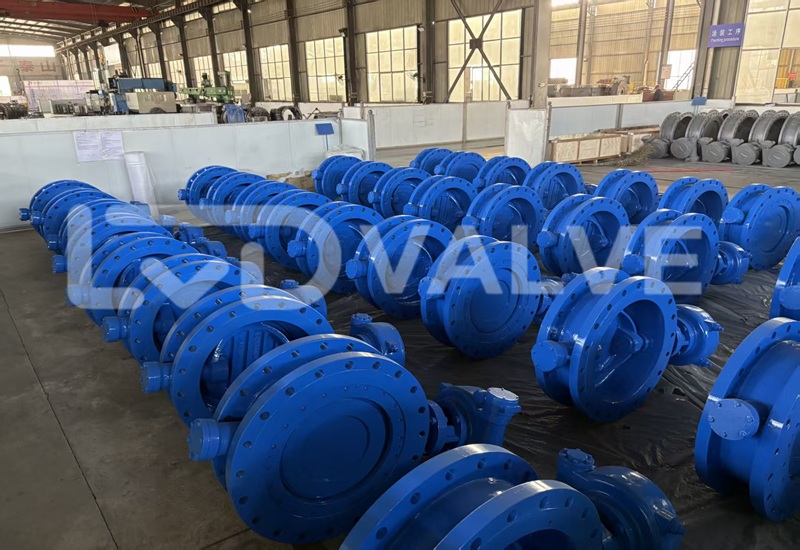
The sealing assembly of a resilient-seated butterfly valve is made of two different materials, one side of the assembly is metal material, and the other side is elastic non-metallic materials such as rubber and polytetrafluoroethylene, such valves deliver favorable sealing performance and can achieve zero medium leakage during operation; however, resilient sealing structures have relatively weak high-temperature resistance, ordinary rubber materials have a maximum operating temperature of 120°C, while modified fluoroplastic materials can withstand temperatures up to nearly 200°C, in addition, such structures have poor wear resistance, and the sealing parts are prone to aging and damage when the equipment runs in medium containing solid particles or under long-term high-temperature conditions.
Most resilient-seated butterfly valves available on the market adopt a concentric structural design, these valves are applicable to working scenarios with normal temperature, conventional pressure and clean medium, typical application fields include water supply and drainage projects, heating, ventilation and air conditioning systems and other areas.
The entire sealing structure of metal-seated butterfly valves is manufactured from metal or hard alloy materials, these valves feature outstanding high-temperature resistance, wear resistance and structural stability, metal-seated butterfly valves made of special heat-resistant alloys can work stably for a long time in environments above 600°C; traditional metal-seated butterfly valves will suffer frictional loss on sealing contact surfaces during opening and closing movements, and their overall sealing performance will decline to a certain extent after long-term service.
With the continuous improvement and optimization of triple eccentric structure technology, precisely machined triple eccentric metal-seated butterfly valves can meet the industrial bubble-tight sealing standard and basically avoid medium leakage. At present, most metal-seated butterfly valves adopt double eccentric or triple eccentric structural design, such structures can effectively reduce frictional loss on sealing contact surfaces, greatly extend the service life of butterfly valves and improve the operational stability of the whole set of equipment.
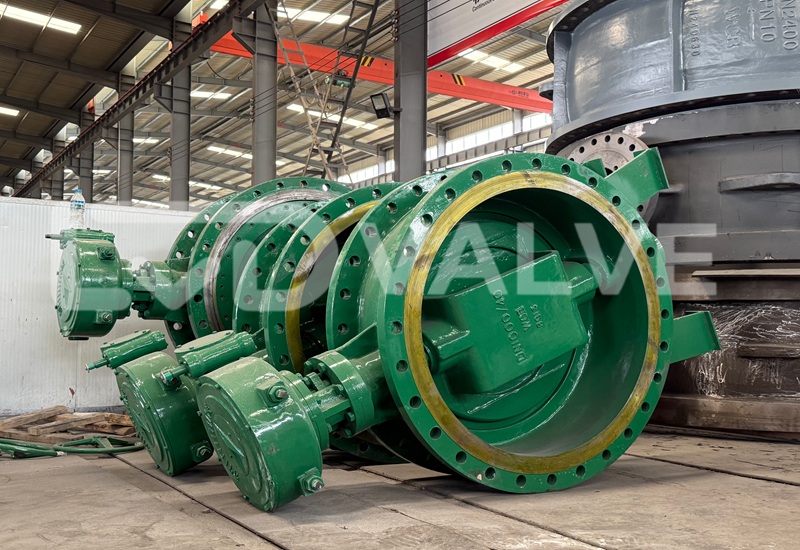
Users can follow relevant selection criteria when choosing butterfly valves, resilient-seated butterfly valves can be given priority when the working condition has clean medium, normal temperature and low operating pressure, this type of valve boasts high cost performance and can meet practical requirements in terms of sealing effect; metal-seated butterfly valves shall be selected preferentially when the medium contains solid particles, the operating temperature exceeds 120°C and the working pressure is higher than 1.6MPa. If corrosive medium exists in the operating environment, users can equip valve bodies made of corrosion-resistant materials such as stainless steel and fluorine-lined materials for matching use.
Reasonable selection of butterfly valve sealing structures by users can ensure stable and safe operation of the whole equipment system and effectively cut the later maintenance cost of equipment, improper selection will exert adverse impacts on the overall operating condition of the system, and bring higher economic costs for subsequent equipment inspection, maintenance and valve replacement.