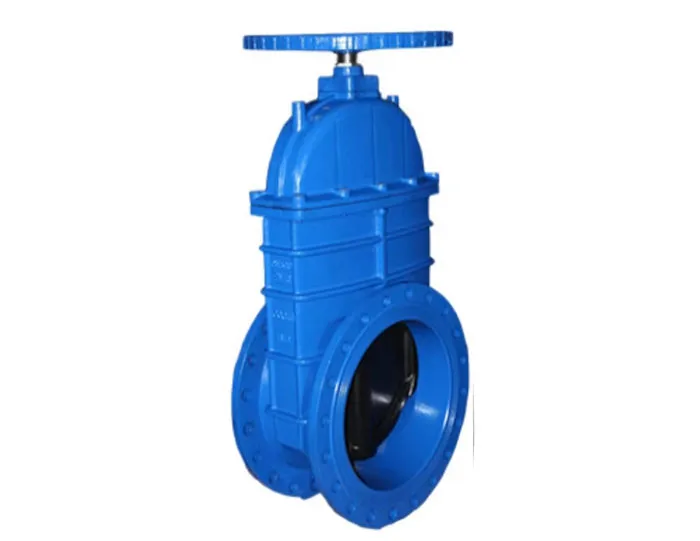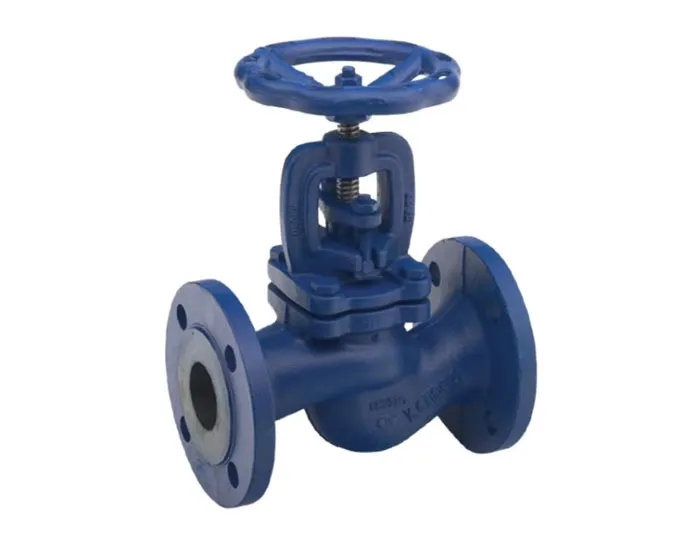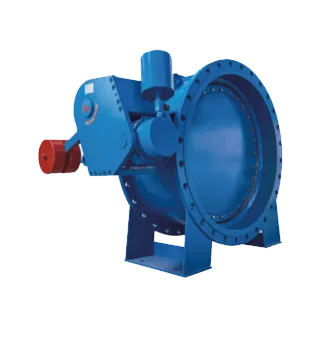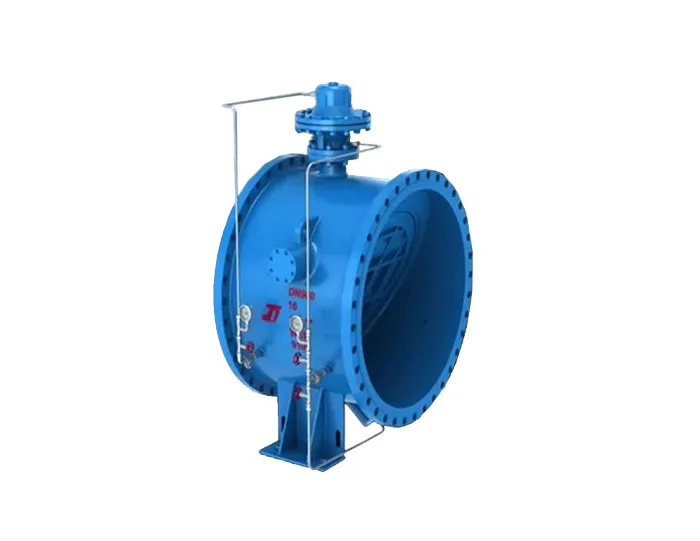
In the petroleum industry, valves are critical equipment used to control and regulate the flow of petroleum fluids. Nevertheless, the properties of petroleum fluids exert significant impacts on the clogging and leakage performance of valves. Due to the complex properties of petroleum, valves frequently encounter leakage and clogging challenges in practical operation. Therefore, in‑depth research on the influence mechanism of petroleum fluids on valve performance is of great significance for improving valve reliability and safety.
I. Properties of Petroleum Fluid and Their Impacts on Valves
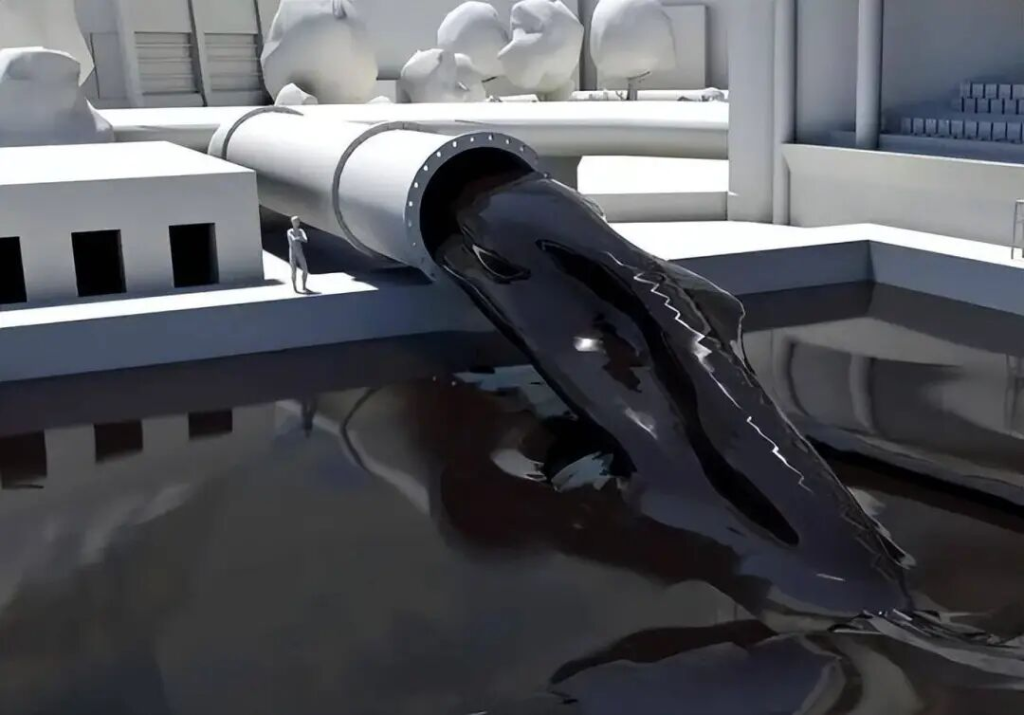
Petroleum is a complex fluid with multiple properties that directly affect valve operation and performance. First of all, petroleum fluids feature high viscosity. Viscosity refers to the degree of stickiness of a petroleum fluid, namely the intermolecular interaction force within the fluid. When high‑viscosity petroleum fluids pass through valves, considerable flow resistance is generated, increasing valve operating force and affecting valve opening‑closing speed. Hence, fluid viscosity shall be taken into account during valve selection, and appropriate valve types and materials shall be adopted to satisfy fluid flow requirements.
Secondly, petroleum fluids are corrosive to a certain extent. Containing sulfur, acidic substances and other corrosive components, petroleum can corrode valve materials and result in valve damage and leakage. Accordingly, corrosion‑resistant valve materials such as stainless steel and alloy steel shall be selected in petroleum fluid processing and transportation to guarantee valve reliability and service life.
II. Influence of Petroleum Fluid on Valve Clogging
Classification of Valve Clogging
Valve clogging refers to the blockage of internal or peripheral flow passages of a valve, which severely restricts or even cuts off fluid flow. Valve clogging may impair the normal operation of fluid systems and trigger a series of problems. Multiple factors contribute to valve clogging:
(1) Accumulation of solid particulate matter
Solid particles such as sediments, impurities and rust particles exist in some fluids. These particles may be carried by fluid and accumulate inside valves or adjacent flow passages, giving rise to clogging. For valve components with tiny orifices in particular, particles tend to deposit and block flow channels.
(2) Solidification of liquid substances
Certain liquids may solidify or crystallize at low temperatures to form solid substances such as grease and colloids. When such substances enter valve interiors, solidification may occur due to temperature variation or other factors and cause valve clogging. This phenomenon is common for low‑temperature, high‑viscosity fluid media.
(3) Accumulation of corrosion products
Some fluid media are corrosive. Chemical reactions between valve internal materials and fluids may produce corrosion products including rust and carbides. Such products may build up inside valves, block flow passages and lead to clogging.
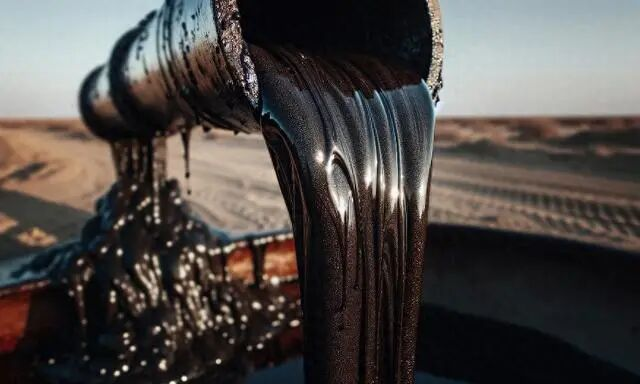
The impacts of petroleum fluids on valve clogging are determined by their properties and chemical compositions. Petroleum fluids are generally characterized by solid particulate content, corrosive components and high viscosity. Firstly, solid particles in petroleum fluids constitute a major cause of valve clogging. These particles include sand, silt and impurities from crude oil, as well as sediments and rust particles generated during transportation. As fluids flow through valves, such particles may deposit on flow passages and sealing surfaces and gradually form blockages. Blockage is especially prone to occur on valve components with small flow orifices.
Secondly, corrosive substances in petroleum fluids can also trigger valve clogging. Petroleum may contain sulfur, acidic substances and other chemical constituents. These substances react with valve materials and produce corrosion products, which accumulate on internal flow passages, sealing surfaces and valve seats and gradually result in clogging. Corrosion products are more likely to deposit and form blockages under low‑flow‑velocity conditions. Finally, the high viscosity of petroleum fluids also affects clogging behavior. High‑viscosity petroleum fluids create substantial resistance while passing through valves, increase operating torque and may induce clogging.
III. Influence of Petroleum Fluid on Valve Leakage
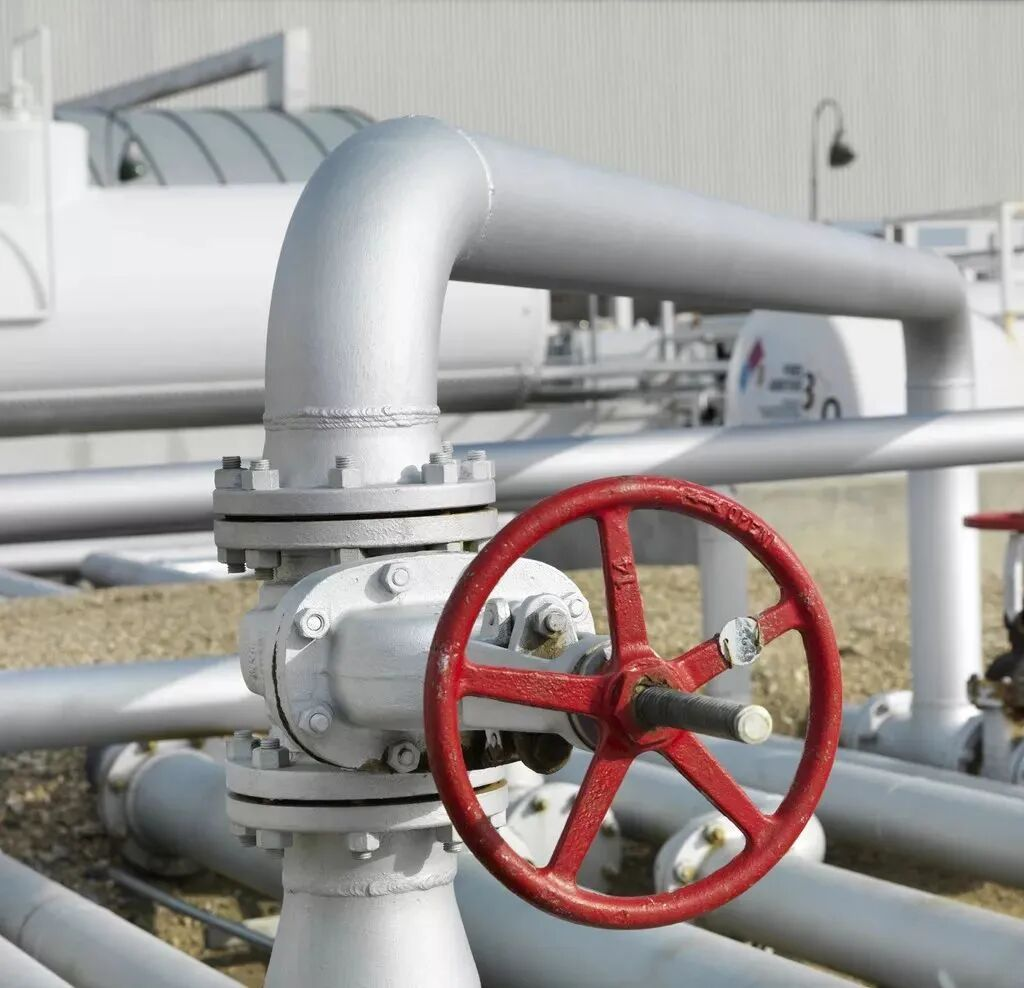
Valve leakage means that fluid escapes or intrudes through gaps between valve sealing surfaces even when the valve is in closed position. Valve leakage is generally categorized as follows:
(1) Internal leakage: When the valve is closed, fluid flows from the high‑pressure side to the low‑pressure side inside the valve. It is usually caused by defects, wear or damage on sealing surfaces, or aging and corrosion of sealing materials.
(2) External leakage: When the valve is closed, external media infiltrate into the valve through sealing interfaces. It may stem from defects, wear or damage of sealing surfaces, or failures of stem sealing assemblies.
(3) Bidirectional leakage: When the valve is closed, fluid escapes from the high‑pressure side and meanwhile intrudes from the low‑pressure side. It may be attributed to loosening, wear or damage of sealing surfaces, or sealing failures between valve stem and valve body.
Petroleum is a complex fluid generally conveyed under certain pipeline pressure. High‑pressure petroleum imposes heavy load on valve sealing surfaces and raises leakage risks. Especially during valve closure, fluid inertia may cause petroleum to impact sealing surfaces and trigger transient leakage. In addition, temperature fluctuations during petroleum transportation lead to thermal expansion or contraction of valve materials and further affect sealing performance.
When temperature rises, thermal expansion of sealing‑surface materials may enlarge gaps and increase leakage probability. Corrosive media and solid particles contained in petroleum may erode and corrode sealing surfaces over long‑term service, deteriorating sealing performance. Corrosion and erosion roughen sealing surfaces and raise the risk of leakage.
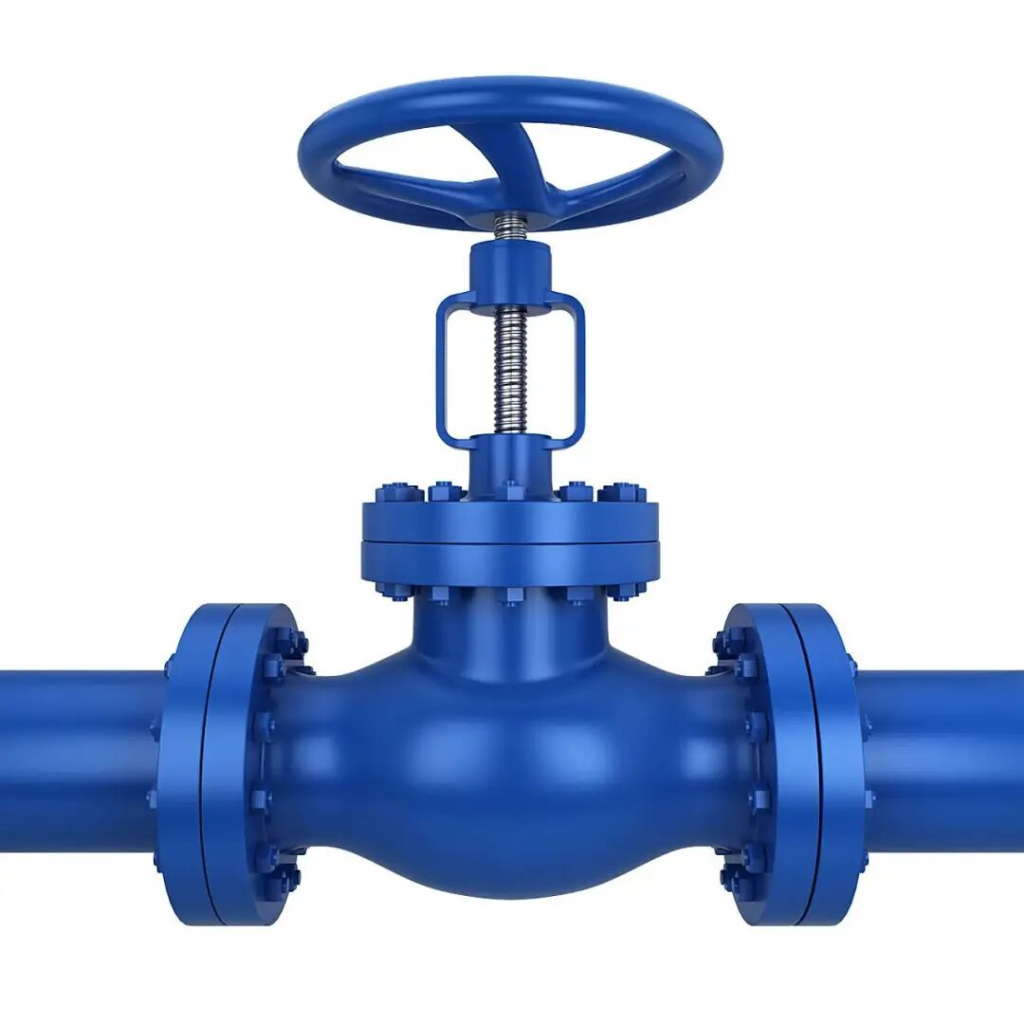
Main test methods for valve leakage performance are listed below:
(1) Static sealing test
Static sealing test applies specified pressure to valves and detects leakage under closed‑valve conditions. Common approaches include air tightness test and liquid tightness test. Evaluation is implemented based on leakage rate or leakage classification standards.
(2) Torque test
Torque test measures the closing torque required for valve shut‑off to evaluate sealing performance. Normally, higher closing torque corresponds to better sealing performance.
(3) Pressure retention test
Pressure retention test assesses valve leakage under set pressure and verifies whether the valve can sustain stable pressure within a specified duration.
(4) Cycle test
Cycle test repeatedly opens and closes valves and measures leakage after numerous operating cycles, so as to evaluate long‑term sealing performance.
Properties of petroleum fluids including high pressure, high temperature, high viscosity and corrosiveness pose great challenges to valve sealing performance. Under high‑pressure conditions, sealing surfaces are subject to extrusion and deformation, which induces leakage. Meanwhile, high‑temperature environments may soften or embrittle valve materials and degrade sealing capability. Therefore, for different petroleum service conditions, materials with high strength and temperature resistance as well as rationally designed sealing structures shall be adopted to guarantee sealing performance. Understanding pressure‑related effects, temperature effects, corrosion‑erosion behaviors and high‑viscosity characteristics of petroleum fluids can provide references for valve design, type‑selection and maintenance, ensure reliable service in petroleum environments and satisfy the demands of the petroleum industry.