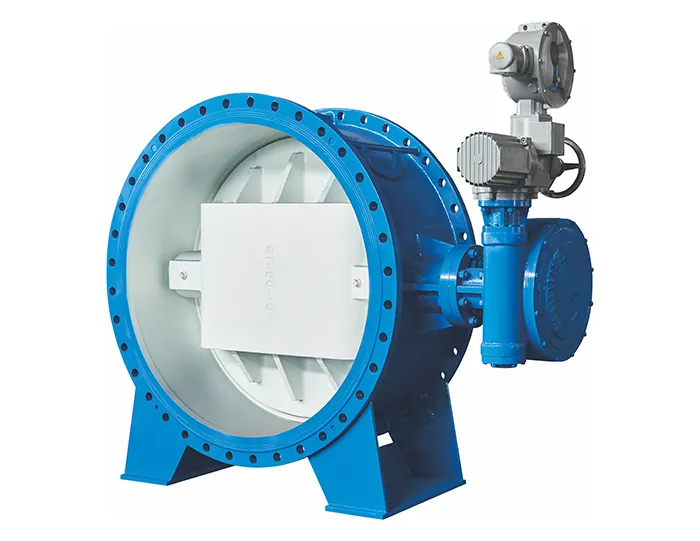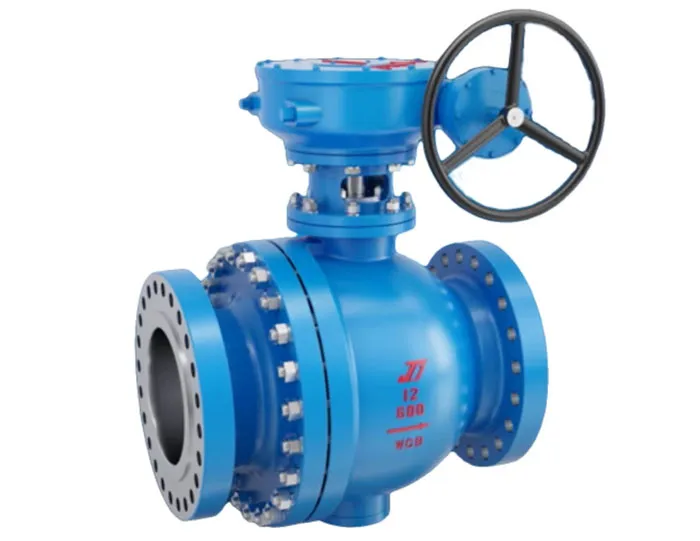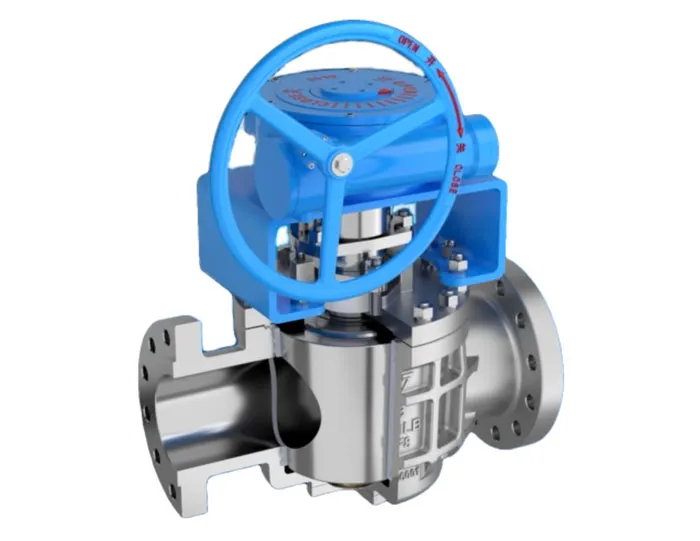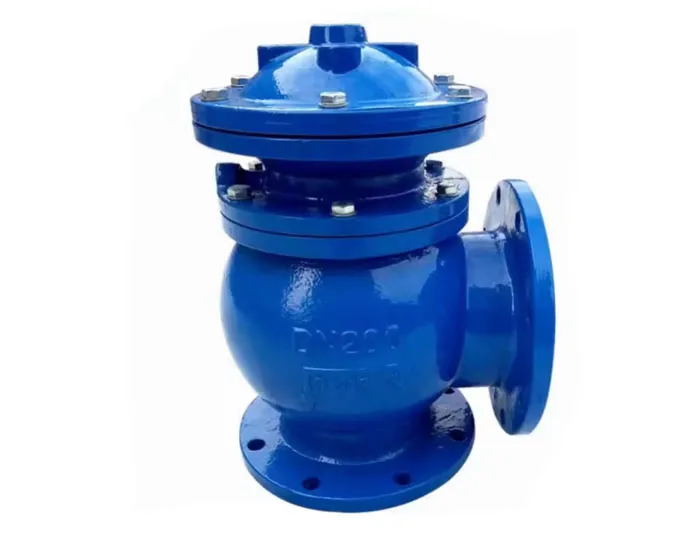
The main body materials for marine valves include cast iron, carbon steel, stainless steel, copper alloy, titanium alloy and others. Different materials are applicable to various operating environments and medium conditions.
Cast-ron materials such as HT200 and QT400-15 feature low cost and good castability, yet have limited corrosion resistance and strength. They are only suitable for fresh-water systems or low-pressure air pipelines on ships, and cannot be used in seawater, high-temperature or high-pressure services. Carbon-steel grades including WCB and WCC are widely adopted for fuel-oil or lubricating-oil systems under relatively high pressure. These materials deliver satisfactory strength and temperature resistance, but are prone to electrochemical corrosion in seawater. Therefore, surface protection treatments such as galvanizing, painting or plastic lining shall be applied.
Stainless steels (304, 316L) and duplex stainless steel 2205 stand out for outstanding corrosion resistance, making them the preferred choice for chemical-product conveying systems and other corrosive-medium services. Among them, 316L stainless steel performs remarkably well in chloride-containing environments. Duplex stainless steel, with high strength and pitting-corrosion resistance, is more suitable for high-pressure seawater valves.
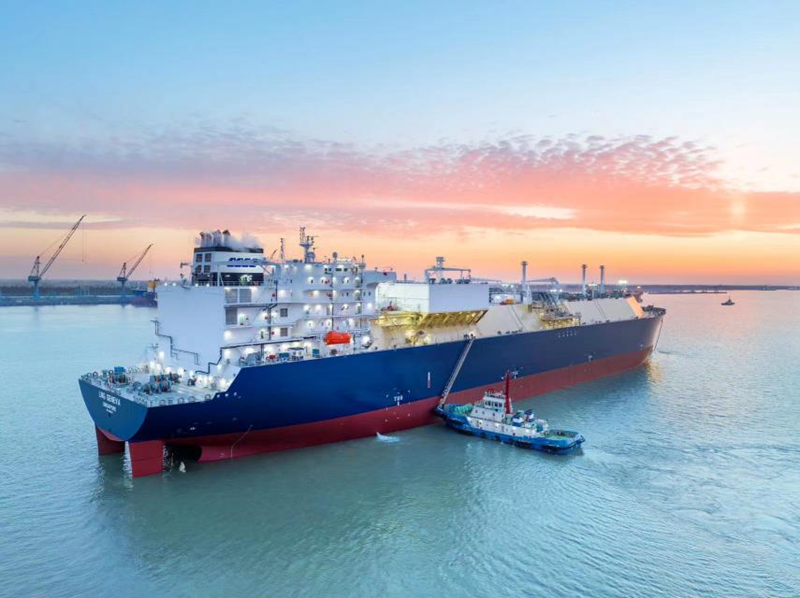
Copper alloys such as tin bronze and aluminium bronze are extensively used in marine seawater systems. Tin bronze offers favourable corrosion resistance and is commonly used for valve bodies and bonnets of low-pressure valves. Aluminium bronze possesses higher strength and erosion-corrosion resistance, suited for high-pressure, high-flow-rate working conditions such as seawater pump outlet valves. Nickel-aluminium bronze C95800 combines high strength with excellent corrosion resistance, and is especially suitable for high-speed fluid control valves. For extreme environments, e.g., ultra-low-temperature systems on deep-submergence vehicles or LNG carriers, high-grade materials such as titanium alloys TA2, TA5 or nickel-base alloy Inconel 625 are required.
Material selection for fasteners shall take strength, corrosion resistance and galvanic compatibility with connected components into account to avoid galvanic corrosion. Stainless-steel bolts A4-70 and A4-80 are widely used for good corrosion resistance. Carbon-steel bolts are low-cost; however, galvanizing or cadmium plating must be carried out in corrosive environments to improve corrosion performance. Titanium-alloy bolts TA2 feature excellent corrosion resistance and light-weight merits, yet are susceptible to thread galling. Consequently, anti-seize compounds such as molybdenum disulphide shall be applied during assembly.
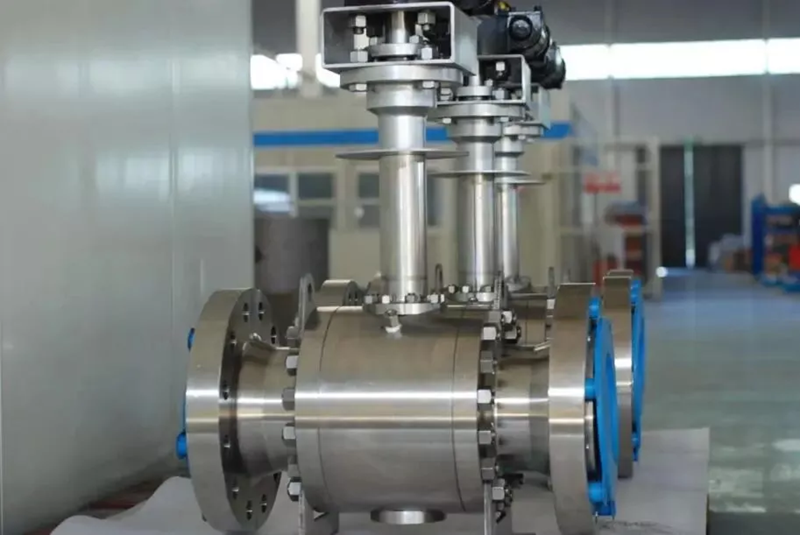
Valve stem selection focuses on strength, wear resistance and corrosion resistance. Stainless-steel stems of 20Cr13 and 17-4PH are the first option for most marine valves owing to high strength, wear-proof and anti-corrosion properties. For copper-alloy valves, aluminium bronze QAl9-4 is normally adopted for stems to mitigate galvanic-corrosion risk between stem and valve body. Titanium-alloy stems TA2 provide superior corrosion resistance and light weight, but come with high cost and difficult machining, hence only applied for special premium services. To prevent seal failure caused by friction between stem and packing, stem surfaces shall be treated with hard-chrome plating, nitriding or wear-resistant coating spraying for extended service life.
Sealing-component material selection directly affects valve leakage rate and service life. According to varying medium, temperature and pressure, seals fall into gaskets, rubber rings and packings. Gasket-type seals frequently adopt asbestos-rubber sheet, PTFE and metal spiral-wound gaskets for medium-low-pressure steam, fuel-oil and other systems. Rubber-ring seals commonly use nitrile rubber, fluororubber, EPDM for seawater, chemicals and similar media. Packing-type seals generally employ graphite braided packing and PTFE composite packing for high-temperature high-pressure conditions such as steam-medium systems.
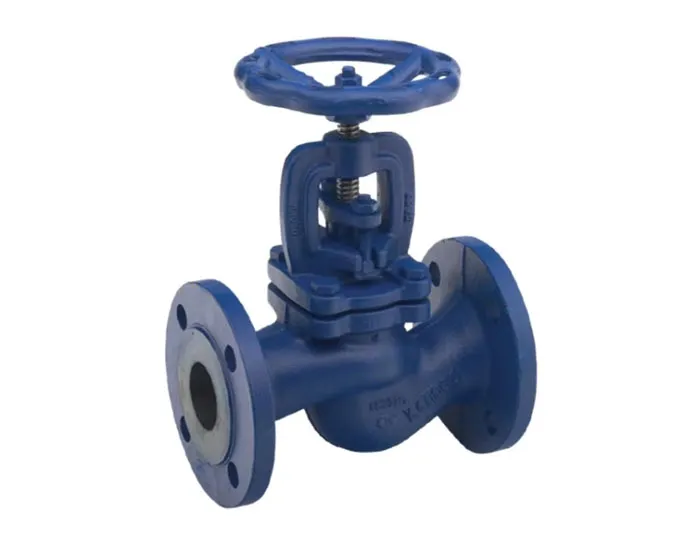
For marine environments, flanged cast-steel globe valves represent the largest-quantity marine-valve product, generally for ambient-temperature and normal-pressure services. The most common material combination is cast-steel WCB for valve body, galvanized carbon-steel 35CrMo for fasteners, 20Cr13 for valve stem, and PTFE gaskets for sealing.