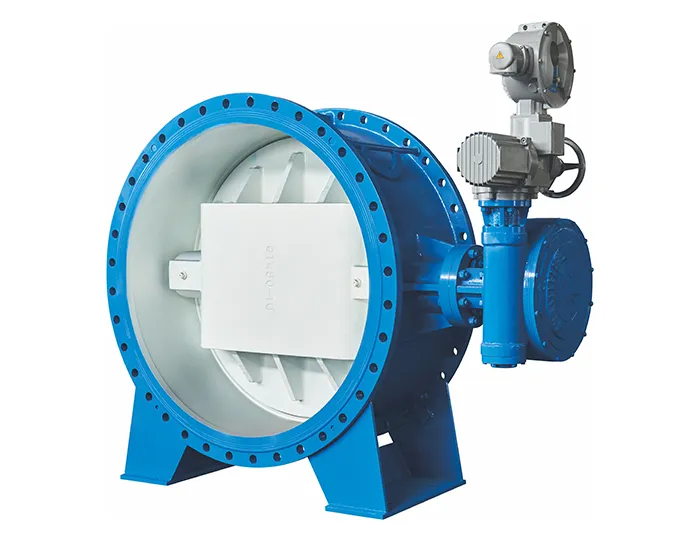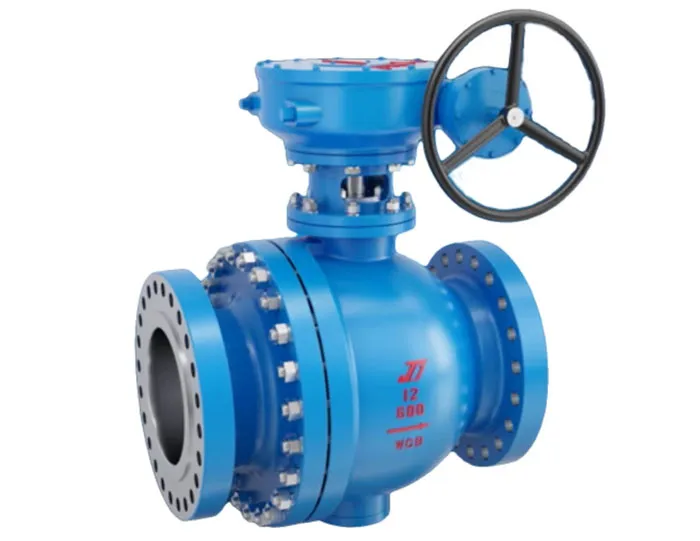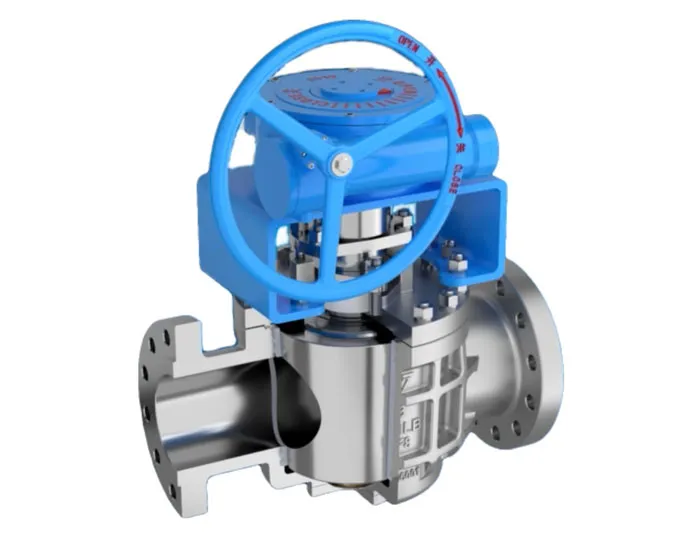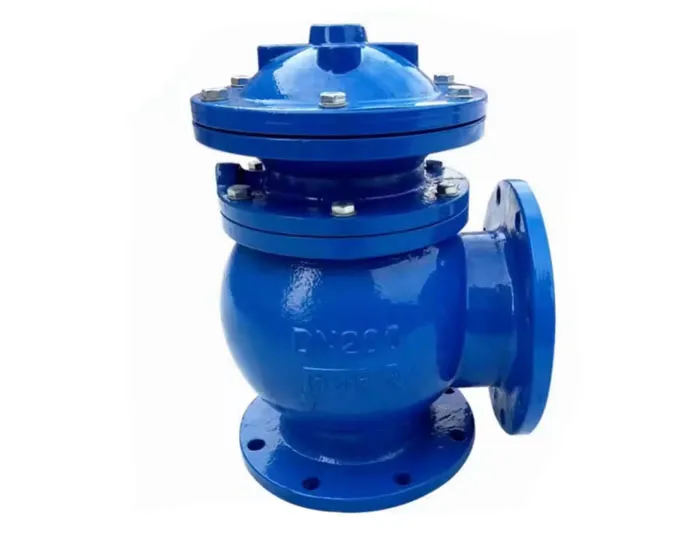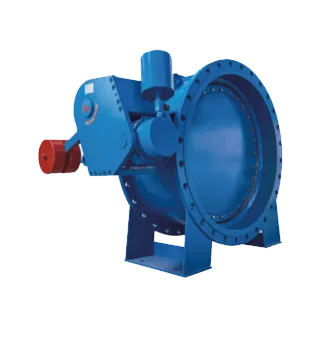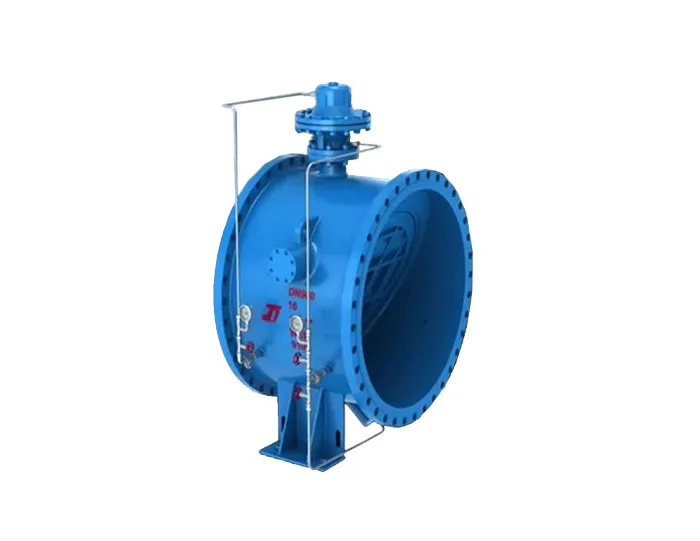
Butterfly valves feature a compact overall structure, rapid actuation, and high flow capacity, while also offering low procurement and operating costs; consequently, they are widely installed in piping systems across sectors such as water supply and drainage, HVAC, chemicals, electric power, and energy.
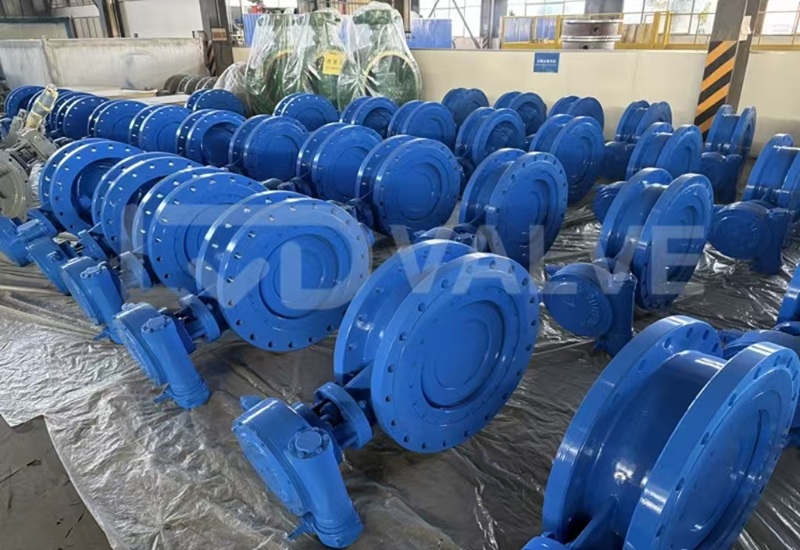
Concentric, double-eccentric, and triple-eccentric butterfly valves are the three types most commonly used in industrial piping. They differ in internal structure, sealing mechanisms, and their ability to withstand temperature and pressure. By selecting the appropriate valve based on actual operating conditions, personnel can ensure the stable operation of the piping system and effectively reduce long-term equipment maintenance costs.
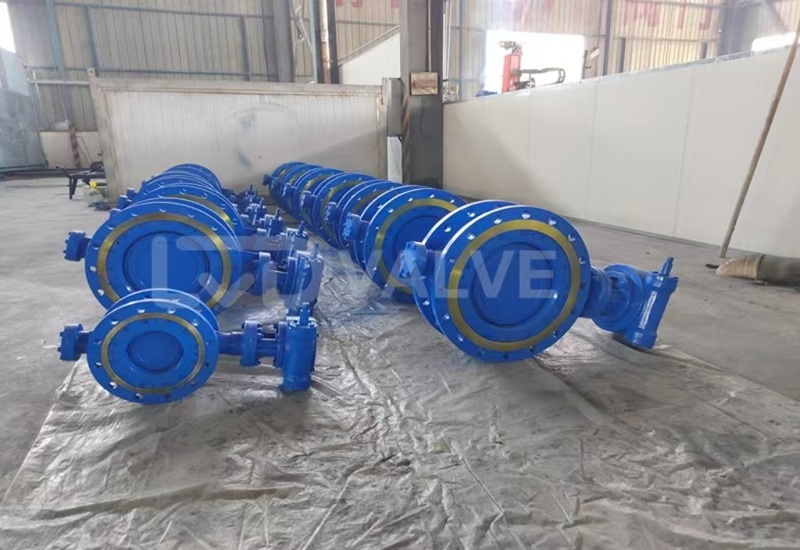
I.Concentric Butterfly Valve (Center-line Butterfly Valve)
Also known as a center-line butterfly valve, this type features a design where the axes of the valve stem, the butterfly plate, and the valve body/pipeline all align at the same center point. It is the simplest type of butterfly valve in terms of structure and utilizes soft sealing components made of materials such as rubber or PTFE. The valve achieves a tight seal through the elastic deformation of these sealing components; however, because the butterfly plate remains in constant contact with the valve seat's sealing surface throughout the opening and closing process, slight friction occurs, leading to relatively significant wear on the sealing parts. While this valve has limited temperature and pressure resistance, it is low-cost, easy to install and operate, and capable of bidirectional sealing without flow direction restrictions. It is well-suited for environments involving ambient temperatures, low pressures, and clean media, and is commonly used in municipal water supply pipelines, HVAC systems, and general water supply and drainage networks.
II. Double-Eccentric Butterfly Valve
The double-eccentric butterfly valve is an improvement upon the concentric butterfly valve design. It features two points of eccentricity: the first is the offset of the valve stem axis from the center of the butterfly plate's sealing surface, and the second is the offset of the stem axis from the center of the valve body. This unique double-eccentric structure allows the butterfly plate to quickly disengage from the seat the moment the valve begins to open; this minimizes friction on the sealing surfaces and reduces wear on sealing components, thereby extending the valve's overall service life. Double-eccentric butterfly valves can be configured with either soft seals or hard metal seals and offer superior temperature and pressure resistance compared to concentric models. They are suitable for industrial applications involving moderate temperatures and pressures and frequent cycling, finding widespread use in sewage treatment lines, general chemical piping, HVAC circulating water systems, and standard industrial process piping.
III. Triple-Offset Butterfly Valve
Building upon the design of the double-offset butterfly valve, the triple-offset butterfly valve incorporates an additional angular offset—specifically, an offset in the inclined conical geometry of the sealing contact surface. This design alters the valve's sealing mechanism. During the opening and closing process, the sealing surfaces can completely disengage or engage tightly; consequently, there is virtually no friction or wear between the sealing surfaces. This valve offers excellent performance in terms of high-temperature and high-pressure resistance, zero leakage, wear resistance, and corrosion resistance. It can withstand temperatures up to 600°C and is suitable for demanding applications involving high-pressure/high-temperature steam, high-temperature thermal oil, and highly corrosive media. As a high-end valve designed for rigorous operating conditions, the triple-offset butterfly valve is the preferred choice for thermal power generation equipment, petrochemical facilities, high-temperature and high-pressure process piping, and oil and gas infrastructure.
IV. Guide to Precise Model Selection
1. Concentric butterfly valves are suitable for general civil engineering and water supply and drainage projects. They are the ideal choice when operating conditions involve ambient temperatures and low pressures, the pipeline medium is clean water or air, and the project budget is limited.
2. Double-eccentric butterfly valves are suitable for industrial systems operating at moderate temperatures and pressures. They are ideal when the user seeks a balance between operating costs and service life, making them suitable for general chemical processing, water treatment, and industrial circulation systems.
3. Triple-eccentric butterfly valves are suitable for high-end industrial projects involving high temperatures and pressures, as well as steam or highly corrosive media. They are the preferred choice for applications requiring zero leakage and the ability to withstand frequent, long-term operation.