In industries such as petrochemicals, power and energy, and metallurgy where operating environments are characterized by high temperatures, high pressures, and complex media the valves selected by enterprises directly impact the safety of production lines and determine whether equipment can operate stably over the long term.
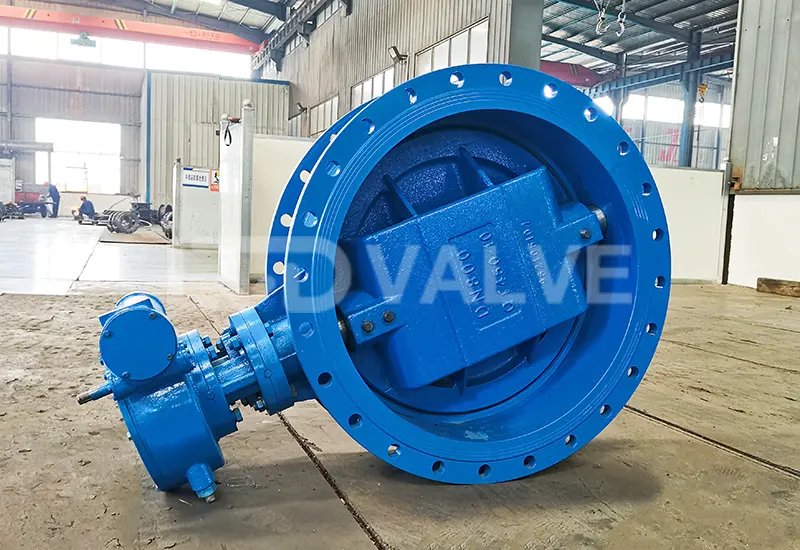
While traditional soft-seated butterfly valves offer excellent sealing performance, they rely on non-metallic materials such as rubber or PTFE; consequently, their heat resistance is limited typically to a range of 150°C to 200°C rendering them unsuitable for long-term use in high-temperature environments. Conversely, although standard hard-seated butterfly valves possess superior heat resistance, their structural design has inherent drawbacks: friction occurs at the sealing surfaces during operation, leading to a gradual decline in sealing effectiveness over time and making them ill-suited for demanding industrial applications.
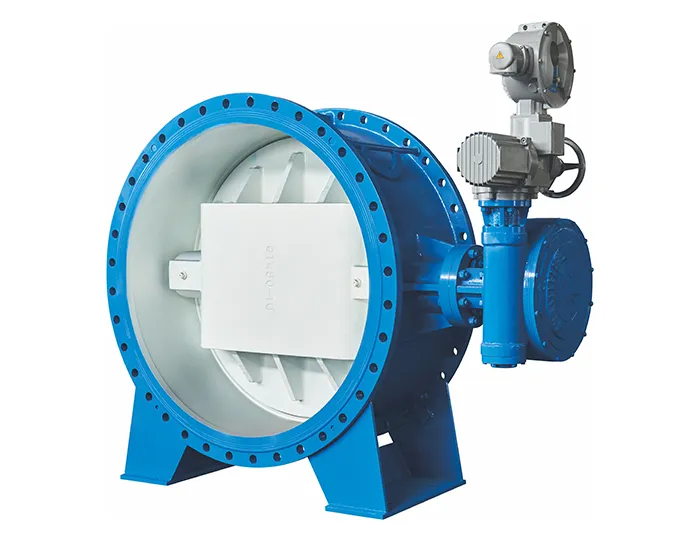
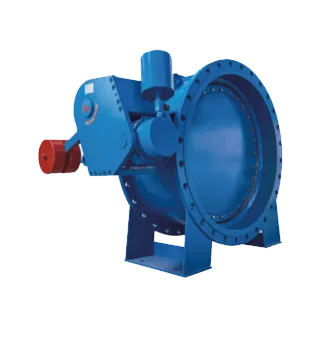
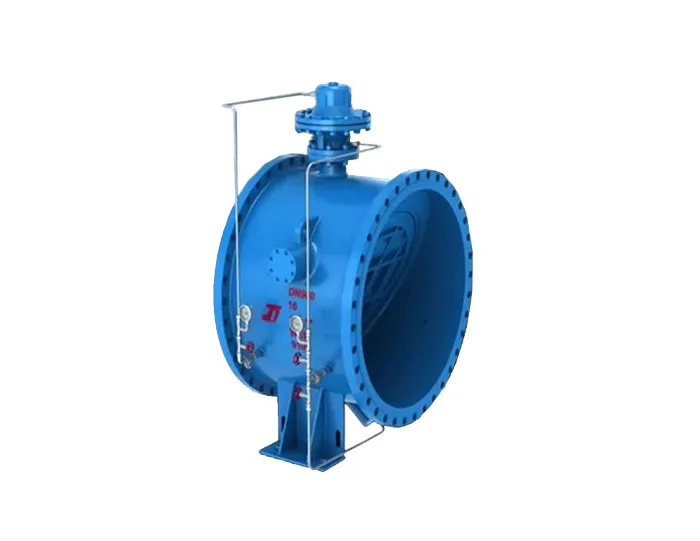
The advent of the triple-offset metal-seated butterfly valve has fundamentally transformed this landscape. Unlike traditional butterfly valves, which struggle to balance high-temperature resistance with superior sealing performance, this valve achieves both. Its operating principle is simple yet reliable: the sealing surfaces of the disc and the seat do not make contact during the majority of the opening and closing process. Only in the final stage of full closure does the offset design generate the pressure required to press the sealing components tightly together, ensuring an effective seal. By significantly reducing friction and wear during operation, the triple-offset butterfly valve effectively extends the service life of the sealing assembly and enhances long-term operational reliability.
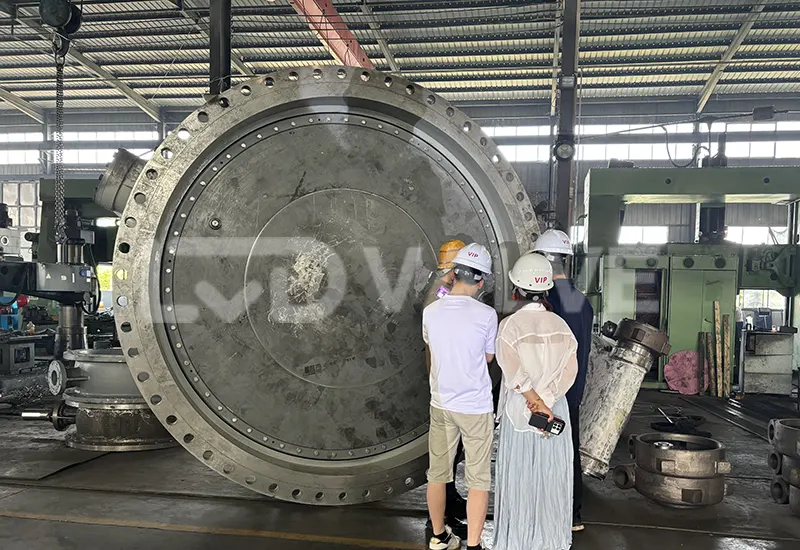
Depending on the material system, sealing structure, and design standards, triple-offset metal-seated butterfly valves offer a wide operating range for temperature and pressure; certain models featuring specialized materials and high-temperature designs can operate in environments reaching approximately 650°C.For even higher temperatures, high-temperature resistant alloys and dedicated sealing structures can be employed to meet ultra-high-temperature requirements. Conversely, cryogenic applications such as those involving LNG impose stringent demands on valve materials; valves must utilize materials that meet low-temperature impact standards and undergo testing and verification against cryogenic design criteria before deployment in such environments. Certain high-pressure triple-offset metal-seated butterfly valves can meet the ASME Class 2500 pressure rating, though the actual pressure-bearing capacity must be determined by comprehensively evaluating factors such as valve size, material type, and overall structural design.
Triple-offset metal-seated butterfly valves are currently widely used across various industrial sectors. In the chemical industry, large-diameter valves of this type (up to DN2600 and above) are suitable for pipelines carrying complex media, thanks to their bidirectional sealing capabilities and excellent flow control performance. In the power industry, they are used for regulation and isolation in high-temperature steam applications, district heating networks, and specific process systems. Additionally, in the cryogenic energy sector, specially designed triple-offset butterfly valves can be utilized in systems handling low-temperature media such as LNG.
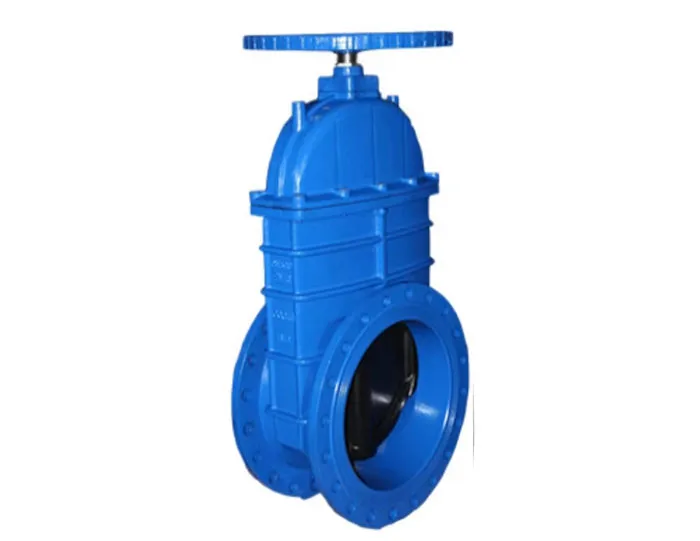
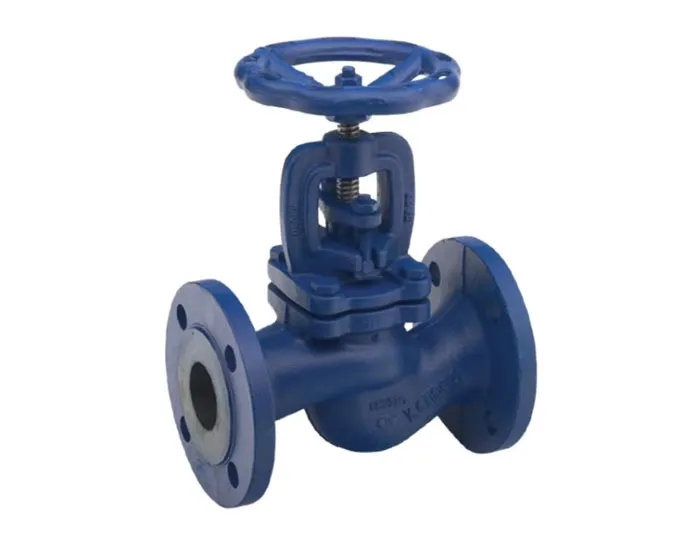
As modern industrial operating conditions become increasingly demanding characterized by rising instances of high temperatures, high pressures, large diameters, and complex media triple-offset metal-seated butterfly valves are gradually replacing traditional gate valves, globe valves, and certain ball valves in these rigorous environments. Thanks to their low operational friction, excellent temperature and pressure resistance, reliable sealing performance, and low maintenance costs, they are playing an increasingly vital role in high-end fluid control and large-scale pipeline retrofitting projects.