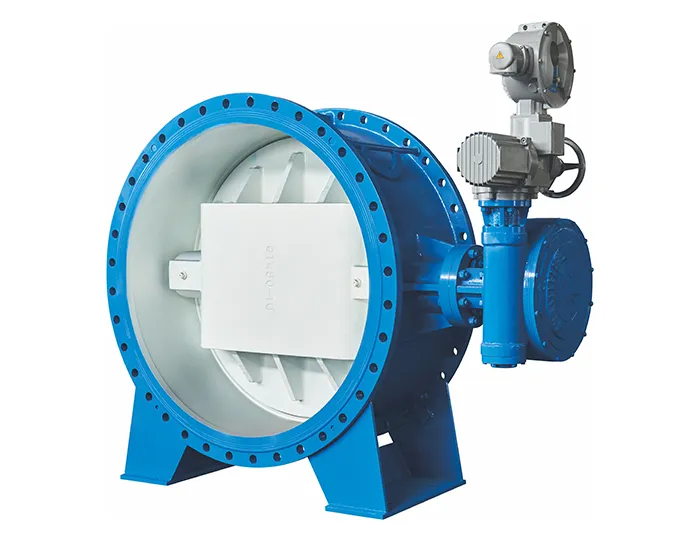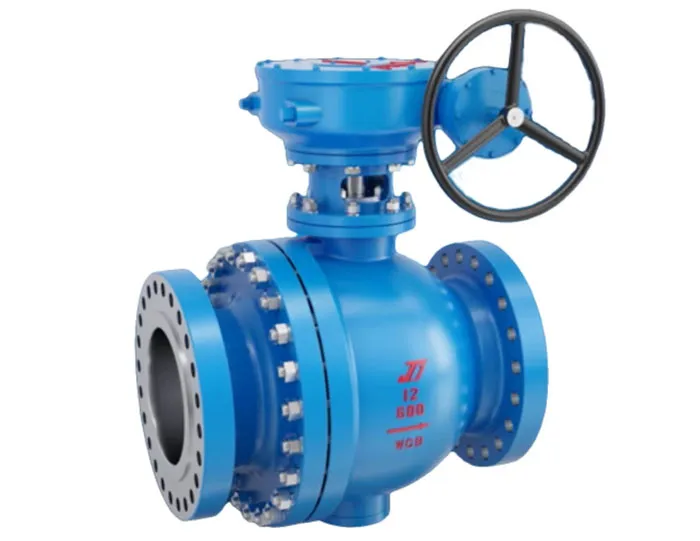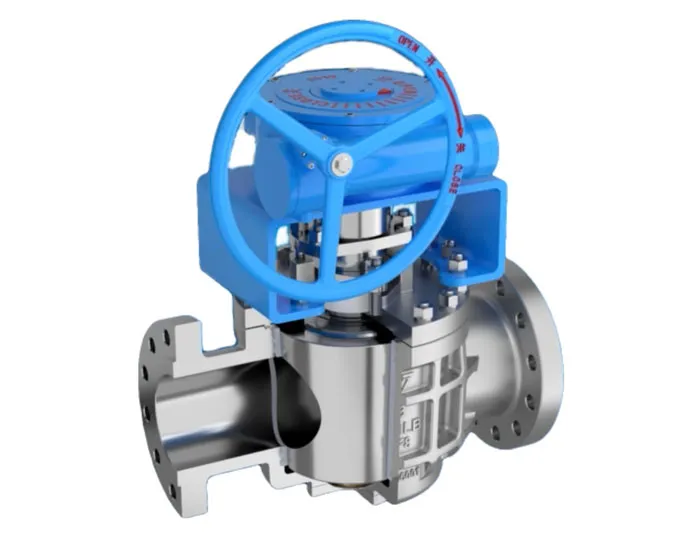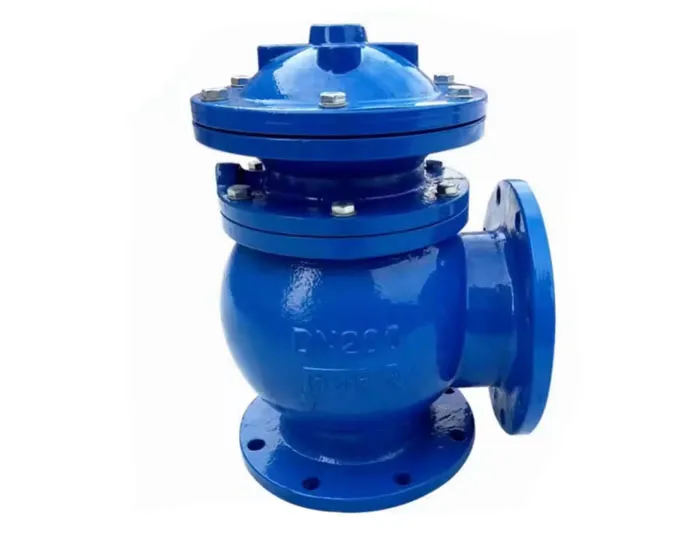
The electric ventilation butterfly valve is an essential part of the industrial production, environmental dust removal, HVAC ventilation, and flue gas purification. It has a direct effect on the stability, energy savings, and intelligence of the whole air duct system.
Most factories have unstable air duct airflow, high energy consumption, and difficult manual adjustment, as well as poor control of high-temperature flue gas pipelines. Such issues are mostly brought about by incorrect choice of ventilation valves. On today, we will take a closer look into electric ventilation butterfly valve, its main purpose, situations where it can be used and special features. It will help you not to make a mistake in choosing an inappropriate air control system touse in your work environment!
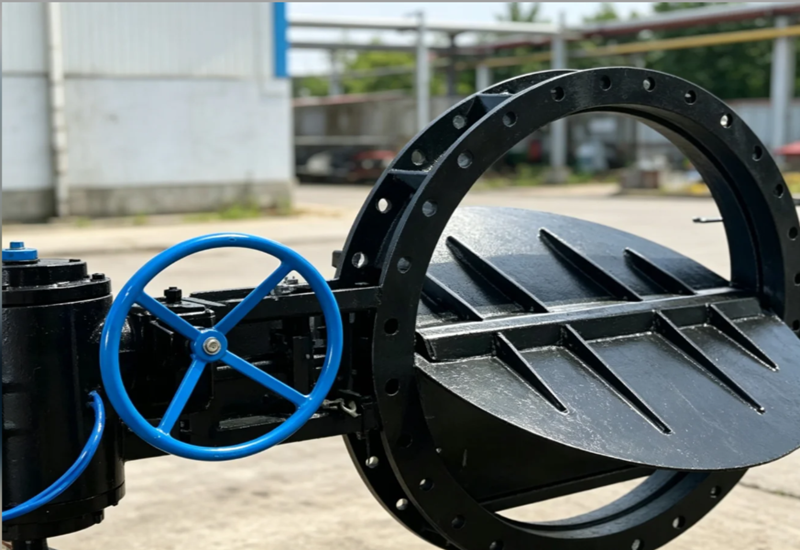
1.What is an Electric Ventilation Butterfly Valve?
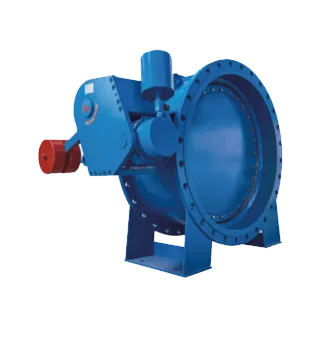
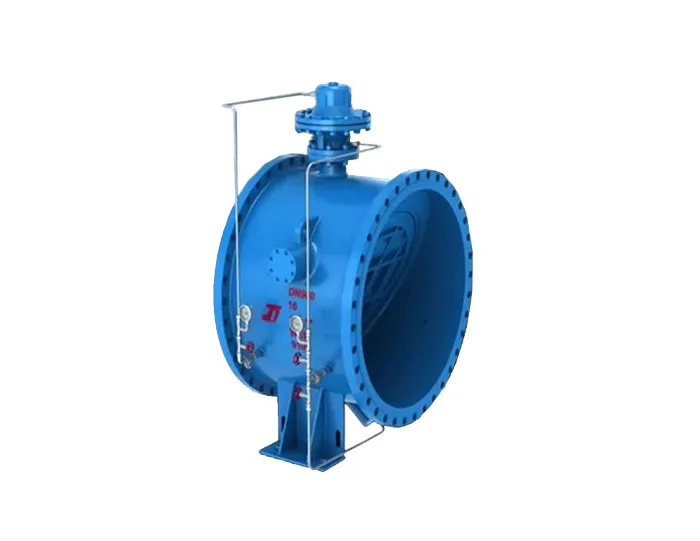
Electric ventilation butterfly valve is a type of angular stroke regulating valve, which is operated by an electric actuator specifically intended to be used in air ducts, flue gas and dust extractionsystem. Its primary purpose is to achieve dependable on off control, airflow control and line closure.
It is not a common water supply and drainage butterfly valve because it has been optimized in terms of low pressure and high flow ventilation and air regulation. It cannot be used with liquid media. Built of welded steel plate and mid line construction. It has smart electric actuators; it can support remote and automatic operation. It is a standard fixture on automated industrial ventilation systems.
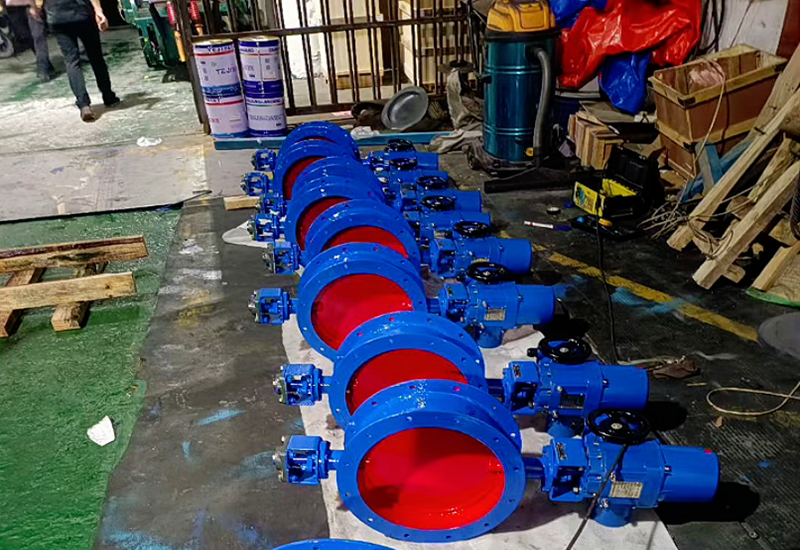
2.Four Main Advantages
Electric ventilation dampers are much better thantraditional ventilation control valves like manual butterfly valves, gate valves and medium specific valves in terms of compatibility and practicality to fit the needs of the contemporary industrial manufacturing.
a.Low resistance, high energy efficiency
Streamlined thin damper plate.
Flow resistance coefficient: 0.1‑0.3 at full open position.
Low flow obstruction reduces fan load.
Lower energy consumption for continuous high‑flow ventilation.
b.Electric drive, accurate regulation
High‑precision electric actuator.
Supports on‑off and proportional control modes.
Precise adjustment of valve opening, airflow and air pressure.
Compatible with PLC and DCS for remote control and system linkage.
Eliminates delay and error from manual adjustment.
90° rotation: 5‑30 seconds for standard sizes. Suitable for frequent modulation.
c.High temperature & dust resistance, wide working range
Body and plate: carbon steel or heat‑resistant steel.
Working temperature: ‑40℃ ~ 450℃. Custom version up to 600℃.
Tight sealing, anti‑wear and anti‑dust‑deposit performance.
Resists jamming and deformation for dusty exhaust and hot flue gas.
d.Compact structure, easy installation & low maintenance
All‑welded, simple and lightweight.
Easier installation than equivalent industrial valves.
Suitable for round and square ducts. Non‑standard sizes available.
Easy assembly & disassembly, low failure rate, long service life.
Minimal routine maintenance, reduces operating cost.
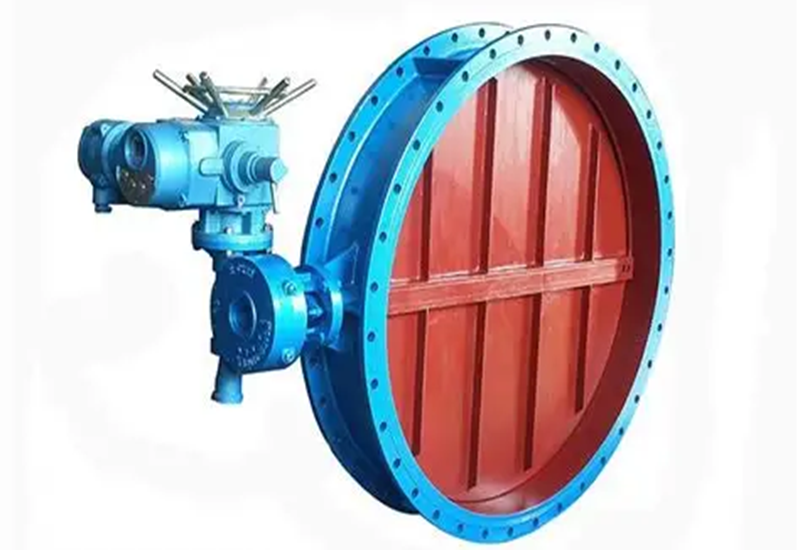
3. Key Selection Guidelines — Avoid 90% of On site Failures
a.Working temperature Ordinary carbon steel for ambient temperature ventilation. Choose heat resistant steel or high temperature coating on hot flue gas and hot air, so as not to subject it to thermal deformation.
b.Control requirement On off actuator: only for open / close function. Modulating actuator: in order to achieve the exact airflow and pressure setting it facilitates the signal connectivity of automatic production lines.
c.Pipe size Standard range DN50 DN2000. Custom sizes for extra large ducts. No need to modify existing pipelines.