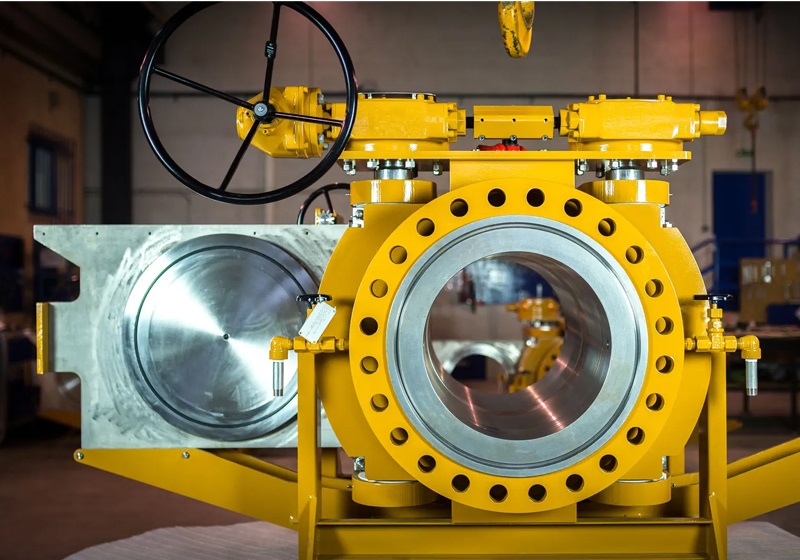
1. Erosion of the blind valve medium, which is the result of wear, flushing and cavitation of the sealing surface when the medium moves. At a certain speed, the floating fine particles in the medium collide with the sealing surface, causing local damage. The high-speed moving medium directly flushes the sealing surface, causing local damage. When the medium is mixed and partially vaporized, the bubbles produced burst and impact the sealing surface, causing local damage. The erosion of the medium and the alternating chemical erosion will strongly erode the sealing surface.
2. Chemical erosion of the medium. When the medium near the sealing surface does not generate current, the medium directly reacts chemically with the sealing surface and erodes the sealing surface.
3. The blind valve will bruise and squeeze the sealing surface during the closing process and the valve disc will cause local wear or indentation on the sealing surface during the return process.
4. Electrochemical erosion. The contact between the sealing surfaces, the contact between the sealing surfaces and the closure body and the valve body, as well as the concentration difference of the medium and the oxygen concentration difference will generate a potential difference, resulting in electrochemical erosion, which will cause the sealing surface on the anode side to be corroded.
5. Damage caused by improper selection and poor operation. It is mainly manifested in the failure to select the valve according to the working conditions, using the cut-off valve as a throttle valve, resulting in excessive sealing pressure, too fast closure or lax closure, causing erosion and wear of the sealing surface.
6. Improper installation and poor maintenance lead to abnormal operation of the sealing surface, the valve is operated with disease, and the sealing surface is damaged prematurely.