I. Metallic Materials (Mainstream Category for Most Industrial and Civil Working Conditions)
Metallic materials feature high strength and good pressure resistance, making them the primary choice for valve bodies. According to material properties, they are divided into cast iron, cast steel, stainless steel, non-ferrous metals and corrosion-resistant alloys.
1. Cast Iron (Low cost, easy casting; for low-pressure, ambient-temperature and non-strongly corrosive services)
Cast iron is an iron-carbon alloy with carbon content over 2.11%. It has poor plasticity yet good rigidity, suitable for manufacturing large-diameter low-pressure valve bodies. Common grades are as follows:
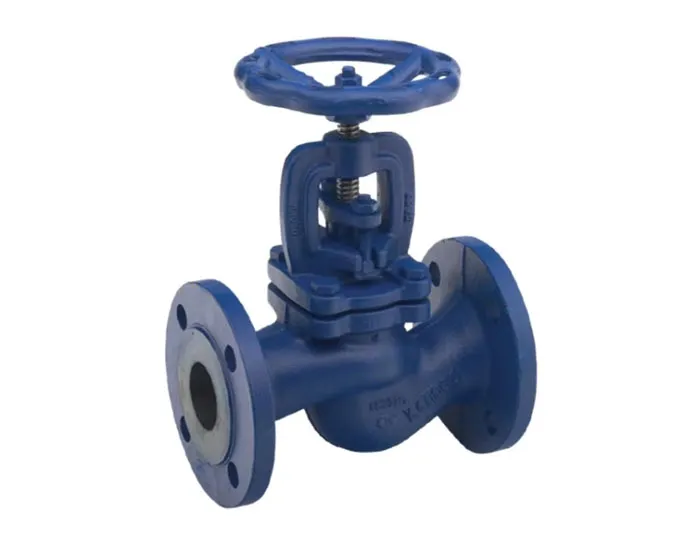
- Gray Cast Iron (HT200, HT250) Properties: Lowest price, excellent castability, low tensile strength (200–250 MPa), high brittleness and poor corrosion resistance (vulnerable to acid and alkali corrosion). Service conditions: Working pressure ≤1.6 MPa, temperature -10 ~ 200℃; media: water, air, steam (non-corrosive). Typical applications: Valves for civil water supply & drainage and HVAC systems.
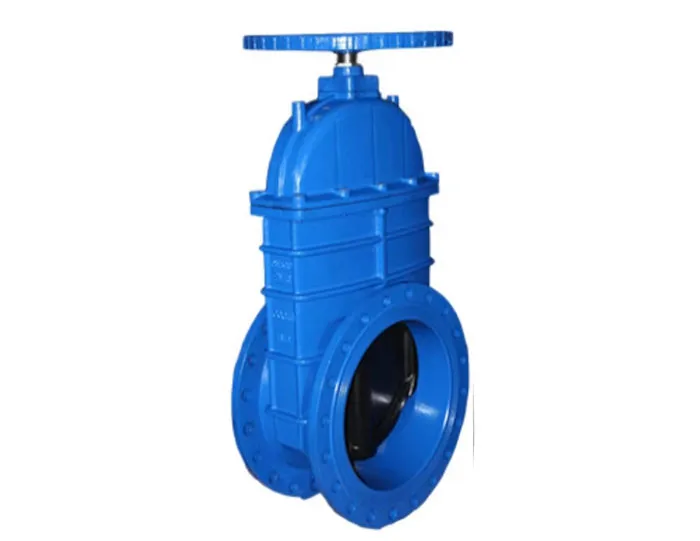
- Ductile Cast Iron (QT450-10, QT500-7) Properties: Graphite morphology modified by spheroidization treatment. Its strength (tensile strength 450–500 MPa) and toughness far exceed gray cast iron; slightly better corrosion resistance than gray cast iron, lower cost than cast steel. Service conditions: Working pressure ≤4.0 MPa, temperature -30 ~ 350℃; media: water, sewage, natural gas, oil products (weakly corrosive or non-corrosive). Typical applications: Municipal gas valves, industrial low-pressure oil transmission valves, large-diameter sewage valves.
- Malleable Cast Iron (KTH300-06) Properties: Made by annealing white cast iron. Good plasticity (elongation 6%), easy machining, corrosion resistance close to ductile iron but lower strength. Service conditions: Low pressure (≤1.6 MPa), ambient temperature; media: water, air. Typical applications: Small low-pressure valves (e.g., threaded globe valves, check valves).
2. Cast Steel (High strength, good temperature resistance; for medium-to-high pressure, medium-to-high temperature services)
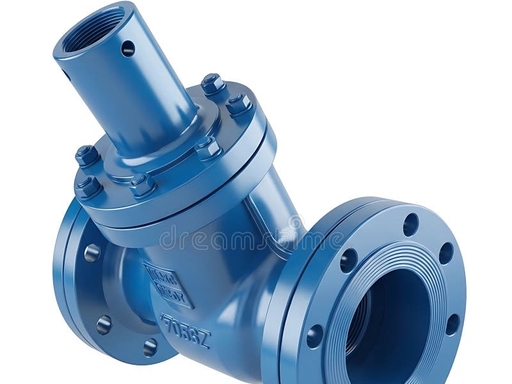
Cast steel has carbon content below 2.11%, with high strength and good toughness. It is classified into carbon steel and alloy steel by chemical composition.
- Carbon Cast Steel (WCB, ZG230-450) Properties: Mainly composed of iron and carbon without alloying elements. Medium strength (tensile strength 450 MPa), wide temperature range (-29 ~ 425℃), ordinary corrosion resistance (prone to rust and requires anti-corrosion treatment). Service conditions: Working pressure 1.6~10 MPa, temperature ≤425℃; media: steam, oil products, non-corrosive gas. Typical applications: Valves for industrial steam pipelines and low-pressure oil valves in petrochemical industry.
- Alloy Structural Cast Steel (WC6, WC9, ZG15CrMo) Properties: Alloy elements such as Cr and Mo are added to improve high-temperature strength and creep performance. (WC6 max. service temperature ≤482℃; WC9 max. service temperature ≤593℃). Tensile strength ≥515 MPa, slightly better corrosion resistance than carbon cast steel. Service conditions: Medium-to-high pressure (≤16 MPa), medium-to-high temperature (≤593℃); media: high-temperature steam, hot oil, superheated steam. Typical applications: Steam valves for power station boilers and high-temperature process pipeline valves in refineries.
- Low-temperature Cast Steel (LCB, LCC, ZG16MnD) Properties: Ni, Mn and other elements are added to enhance low-temperature toughness and prevent low-temperature brittle fracture. (LCB: -46℃; LCC: -60℃; ZG16MnD: -40℃). Strength close to carbon cast steel. Service conditions: Low temperature (-60℃ ~ ambient temperature), medium and low pressure; media: liquefied natural gas (LNG), liquid nitrogen, liquid oxygen and other cryogenic fluids. Typical applications: Valves at outlets of LNG storage tanks and cryogenic valves for air separation equipment.
3. Stainless Steel (Excellent corrosion resistance; for strongly corrosive and clean services)
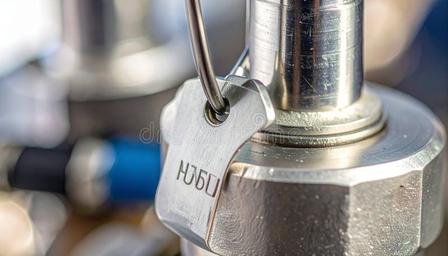
Stainless steel contains at least 12% Cr. A passive chromium oxide film forms to provide corrosion resistance. It is categorized by microstructure into austenitic, ferritic and martensitic stainless steel. Austenitic stainless steel is the most widely used.
- Austenitic Stainless Steel (304, 316, 316L) 304 (06Cr19Ni10): Good corrosion resistance against weak acids, alkalis and salt water. Service temperature -196 ~ 800℃, but susceptible to chloride ion (Cl⁻) pitting corrosion. Applicable media: food, pharmaceutical, pure water, weakly corrosive chemical fluids (e.g., dilute sulfuric acid, dilute nitric acid).
316 (06Cr17Ni12Mo2): Mo added, greatly improved resistance to chloride corrosion compared with 304. Service temperature -196 ~ 800℃. Applicable media: seawater, salt water, chloride-containing chemical fluids (e.g., hydrochloric acid, chlor-alkali media).
316L (022Cr17Ni12Mo2): Low-carbon version of 316 with stronger resistance to intergranular corrosion (avoids corrosion after welding), suitable for welded valve bodies. Applications: chemical industry, marine engineering, nuclear power for strongly corrosive services. - Ferritic Stainless Steel (430) Properties: No nickel, lower cost. Better corrosion resistance than carbon steel but inferior to 304. Service temperature -40 ~ 800℃, relatively high brittleness. Service conditions: Low pressure, weakly corrosive media (e.g., fresh water, air), cost-sensitive scenarios. Typical applications: Civil water heater valves, low-end low-pressure chemical valves.
4. Non-ferrous Metals & Corrosion-resistant Alloys (High performance, high cost; for extreme working conditions)
These materials are designed for extreme services with strong corrosion, high temperature and high pressure. Due to high cost, they are only adopted in special scenarios.
- Copper and Copper Alloys (Brass H62, Aluminum Bronze QAl9-4) Properties: Brass (Cu-Zn alloy) is easy to machine, good low-temperature performance and moderate corrosion resistance (not resistant to strong acids). Aluminum bronze has high strength and wear resistance. Service conditions: Low pressure (≤1.6 MPa), ambient temperature; media: water, gas, refrigerants (e.g., R22). Typical applications: Household gas valves, refrigeration system valves for air conditioners.
- Titanium and Titanium Alloys (TA2, TC4) Properties: Extremely strong corrosion resistance against strong acids, alkalis and seawater (only not resistant to hydrofluoric acid). High strength (TA2 tensile strength ≥485 MPa), service temperature -253 ~ 600℃, yet very expensive (5–8 times the price of 316L). Service conditions: Extreme strongly corrosive services (e.g., concentrated nitric acid, hydrochloric acid, offshore oil & gas development). Typical applications: Outlet valves of chemical reactors under strong corrosion, valves for deep-sea oil and gas production.
- Nickel-based Corrosion-resistant Alloys (Hastelloy C-276, Monel 400) Hastelloy C-276: Top-tier corrosion resistance, resistant to almost all inorganic acids (including hydrochloric acid and sulfuric acid) and organic acids. Service temperature -29 ~ 1093℃. Applications: high-end chemical, nuclear power and aerospace sectors.
Monel 400 (Ni-Cu alloy): Resists seawater, hydrochloric acid and hydrofluoric acid with high strength. Applications: marine engineering and fluorine chemical valves.
II. Non-metallic Materials (Good corrosion resistance, low cost; for low-pressure, weakly corrosive services)
Non-metallic materials are lightweight with excellent corrosion resistance, yet low strength, poor pressure and temperature tolerance. Only applicable for low pressure (≤1.0 MPa) and ambient temperature (≤100℃).
- Plastics (PVC, PP, PTFE) PVC (Polyvinyl Chloride): Low cost, acid & alkali resistant (not resistant to strong oxidizing acids). Max temperature ≤60℃. Applications: civil chemical wastewater valves, laboratory low-pressure valves.
PP (Polypropylene): Max temperature ≤100℃, better corrosion resistance than PVC (resistant to most acids and alkalis) and good toughness. Applications: low-pressure chemical valves for acid & alkali transmission.
PTFE (Polytetrafluoroethylene, "Plastic King"): Outstanding corrosion resistance against all acids and alkalis. Service temperature -200 ~ 260℃, low strength and prone to deformation. Applications: laboratory valves for strong corrosion, high-end sealing parts (valve body lining). - Ceramics (Alumina Ceramic, Silicon Nitride Ceramic) Properties: High hardness (Mohs hardness 9, second only to diamond), excellent corrosion resistance to all acids and alkalis, high brittleness and poor impact resistance. Service conditions: Low pressure, strong corrosion and abrasive media (e.g., acid/alkali sewage with solid particles). Typical applications: Chemical valves for particle-containing wastewater, flue gas desulfurization valves.
- Rubber (Natural Rubber, Nitrile Rubber) Properties: Good elasticity and wear resistance, limited temperature resistance (≤80℃) and corrosion resistance (only resistant to weak alkalis). Normally used as valve body lining (rubber-lined valves), not as solid valve body material. Applications: Water supply, drainage and sewage treatment valves (rubber-lined bodies for improved corrosion resistance).
III. Composite Materials (Combine metallic strength and non-metallic corrosion resistance)
Composite materials combine a metal substrate with non-metallic lining or coating to take advantages of both, a cost-effective option for medium & low pressure corrosive services.
- Lined Valves (Metal Substrate + Plastic / Rubber Lining) Structure: Valve body substrate is cast iron or cast steel (to guarantee strength), internally lined with PVC, PP, PTFE or rubber (to provide corrosion resistance). Service conditions: Low pressure (≤1.6 MPa), strongly corrosive media such as acid and alkali solutions. Typical applications: Low-pressure chemical valves for acid & alkali transmission.
- Coated Valves (Metal Substrate + Anti-corrosion Coating) Common coatings: Epoxy resin (weak corrosion resistance, max. temperature ≤120℃), PTFE coating (strong corrosion resistance, max. temperature ≤260℃). Applications: Municipal sewage valves and low-pressure chemical valves (substrate: cast iron / cast steel to cut costs).